6 Airflow Steps to Treat Indoor Leaf Spot Disease
Turgor pressure defines the structural integrity of a houseplant; when it fails, the cellular walls collapse and pathogens take hold. A healthy specimen should feel firm to the touch with a clean, earthy scent emanating from the rhizosphere. If you notice necrotic lesions or water-soaked spots on the foliage, the fungal or bacterial invasion has already breached the plant's defenses. Implementing technical steps for treating leaf spot disease indoors requires an immediate shift in the microclimate to disrupt the pathogen life cycle. Most indoor outbreaks occur when relative humidity exceeds 65 percent and air stagnation allows spores to settle on the leaf surface. By manipulating airflow and substrate moisture, you can arrest the spread of Septoria or Cercospora without relying on heavy chemical intervention. You must act before the infection reaches the vascular system, which leads to permanent senescence and plant death. Success depends on precise environmental control and a rigorous sanitation protocol that targets the specific physiological needs of the host species.
Materials:
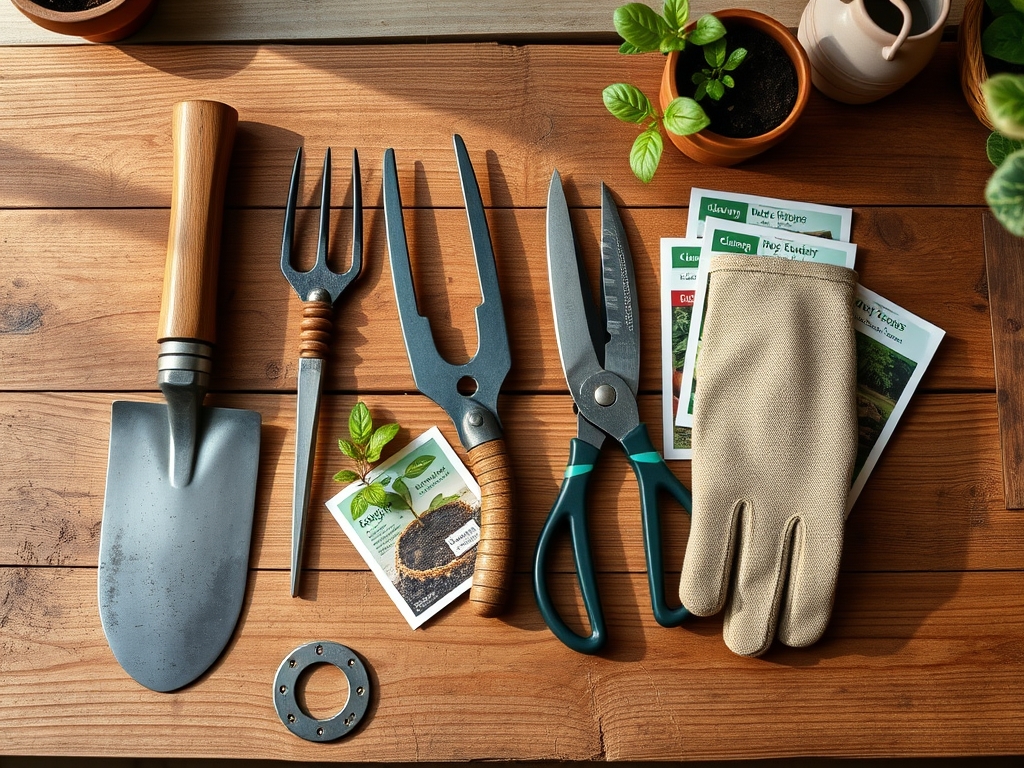
Effective recovery starts with a friable loam substrate that facilitates rapid drainage. The soil must maintain a pH between **5.8 and 6.5** to ensure optimal nutrient bioavailability. For a plant recovering from leaf spot, use a low-nitrogen fertilizer with an NPK ratio of **5-10-10**. High nitrogen (the first number) encourages rapid, succulent growth that is highly susceptible to further infection. You will also need a **soil moisture meter** to monitor the substrate and a **digital hygrometer** to track ambient humidity levels. Ensure all containers have a high Cation Exchange Capacity (CEC) by incorporating organic matter like composted bark or coconut coir; this allows the soil to hold onto essential minerals like calcium and magnesium which strengthen cell walls.
Timing:
While indoor plants are shielded from frost, they still follow a biological clock dictated by the photoperiod. Most leaf spot outbreaks occur during the transition from the vegetative stage to the reproductive stage when the plant diverts energy away from immune defense toward flowering or fruiting. In North American Hardiness Zones 5 through 8, indoor humidity spikes during the spring thaw and autumn cooling. You should perform aggressive pruning and airflow adjustments when the plant is in its active growth phase. Avoid heavy treatment during winter dormancy; the plant's metabolic rate is too low to facilitate rapid healing of pruned tissue. Target a consistent temperature range of 68 to 75 degrees Fahrenheit to support the plant's natural recovery mechanisms.
Phases:
Sowing and Preventative Spacing
When starting from seed or cuttings, space your containers at least 12 inches apart. This distance ensures that the boundary layer of air around each leaf is constantly refreshed. Crowding creates a stagnant microclimate where humidity levels can be 15 percent higher than the rest of the room. Use a sterilized seed-starting mix with a fine texture to prevent damping-off.
Pro-Tip: Proper spacing utilizes the principle of convective cooling. Moving air prevents the buildup of heat and moisture on the leaf surface; this inhibits spore germination which requires a film of water for at least 4 to 6 hours.
Transplanting and Root Inspection
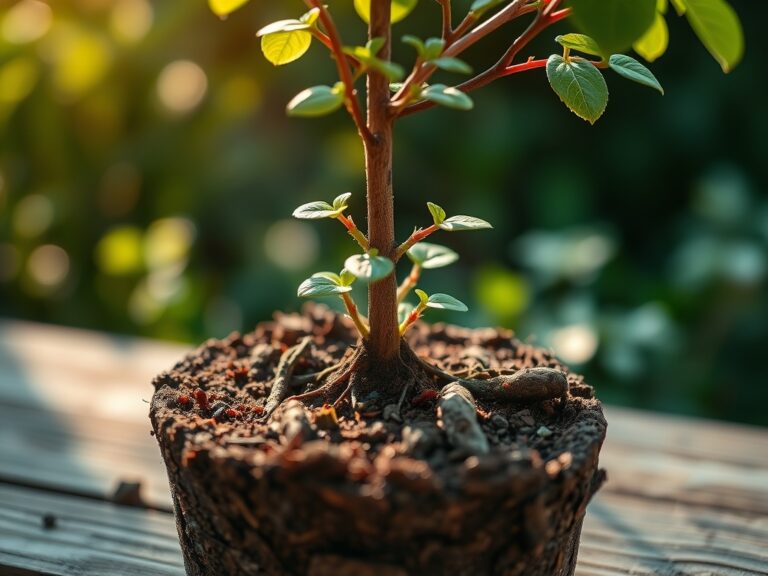
If leaf spot persists, the pathogen may be surviving in the top layer of the soil. Transplant the specimen into a clean pot using a fresh, sterile medium. During this process, inspect the root system for firmness. Healthy roots should be white or tan; mushy, black roots indicate anaerobic conditions that predispose the plant to foliar disease.
Pro-Tip: Maintaining a high Cation Exchange Capacity (CEC) in your new soil allows for the efficient uptake of Potassium. Potassium is essential for regulating stomatal closure; this reduces the plant's vulnerability to pathogens entering through open pores.
Establishing Airflow Channels
The most critical of the steps for treating leaf spot disease indoors is the creation of "airflow channels" within the canopy. Use bypass pruners to remove the bottom 20 percent of foliage. This "lollipopping" technique allows air to circulate underneath the plant and across the soil surface; this speeds up the evaporation of excess moisture.
Pro-Tip: Pruning triggers a hormonal response known as auxin suppression. By removing the lower, infected leaves, the plant reallocates its energy and growth hormones (auxins) to the apical meristem; this encourages the production of new, healthy tissue.
The Clinic:
Monitoring physiological disorders is essential for distinguishing between infectious leaf spot and nutrient-related issues.
- Symptom: Interveinal chlorosis (yellowing between leaf veins) on older leaves.
- Solution: This indicates a Magnesium deficiency. Apply a solution of 1 tablespoon of Epsom salts per gallon of water.
- Symptom: Small, dark brown spots with a yellow halo.
- Solution: This is a fungal leaf spot. Increase airflow immediately and reduce humidity to below 50 percent.
- Symptom: Tip burn or necrotic leaf edges.
- Solution: This often results from salt buildup in the substrate. Flush the soil with three times the pot's volume of distilled water to lower the Electrical Conductivity (EC).
- Fix-It for Nitrogen Chlorosis: If the entire leaf turns pale green or yellow, the plant lacks Nitrogen. Apply a balanced liquid fertilizer at half strength to restore chlorophyll production without over-stimulating soft growth.
Maintenance:
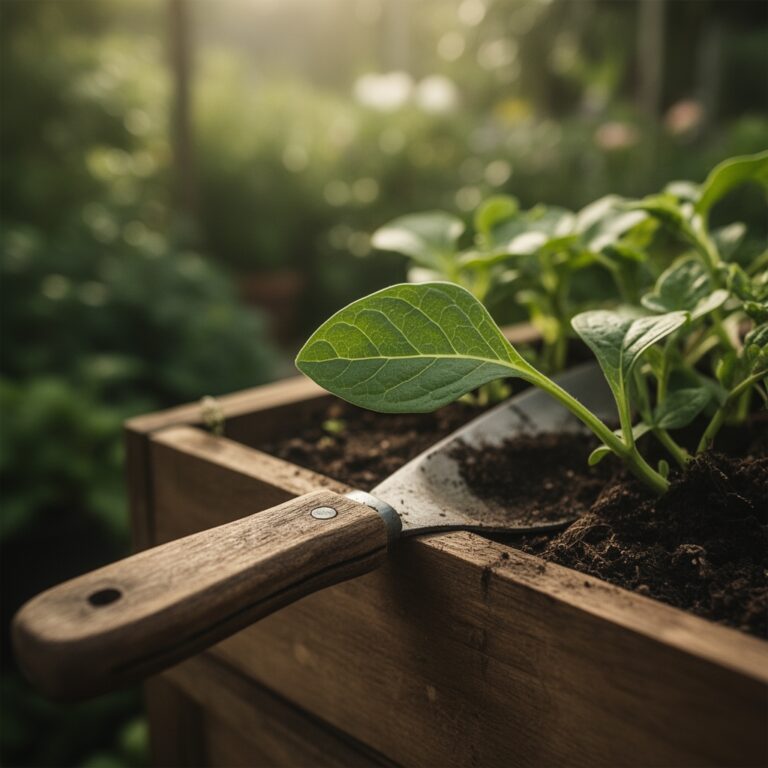
Precision is the hallmark of a professional horticulturist. Use a soil moisture meter to ensure the top 2 inches of soil are dry before re-watering. For most indoor species, provide 1.5 inches of water per week delivered directly to the soil line; never wet the foliage. Use a hori-hori knife to gently aerate the top layer of soil once a month to prevent compaction. If you must prune infected leaves, dip your bypass pruners in a solution of 70 percent isopropyl alcohol between every single cut to prevent cross-contamination. Monitor the ambient environment with your hygrometer; if humidity exceeds 60 percent, activate a small oscillating fan to maintain a constant breeze of 0.5 to 1.0 miles per hour around the foliage.
The Yield:
For those growing indoor herbs or edible greens, harvest timing is a matter of chemistry. Harvest in the early morning when turgor pressure is at its peak and essential oil concentration is highest. Use sharp shears to make clean cuts at a 45-degree angle above a leaf node. To maintain "day-one" freshness, immediately place the stems in a container of cool water or wrap them in a damp paper towel and refrigerate at 40 degrees Fahrenheit. This slows down the rate of senescence (aging) and preserves the cellular structure of the harvest.
FAQ:
How do I identify fungal leaf spot?
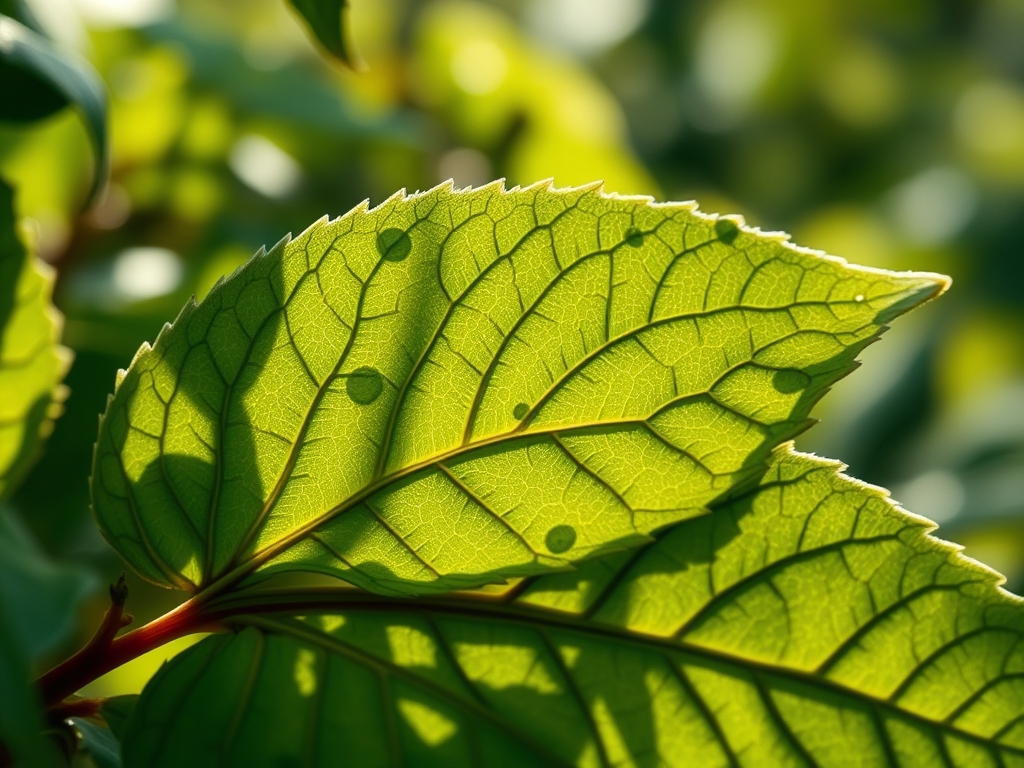
Fungal spots typically appear as circular brown or black lesions with a distinct yellow halo. They often feature concentric rings within the spot. Bacterial spots appear more angular and may look "water-soaked" or translucent when held up to the light.
Can I save a plant with leaf spot?
Yes. Remove all infected foliage using sterilized pruners and decrease the ambient humidity to below 50 percent. Improve airflow with a fan and ensure the soil surface dries out between waterings to stop the pathogen's reproductive cycle.
Does cinnamon treat leaf spot?
Cinnamon contains cinnamaldehyde, which has mild antifungal properties. While it can be dusted on pruning wounds to prevent localized infection, it is not a systemic cure. Environmental control and proper airflow are the only definitive ways to manage an active outbreak.
Should I mist my plants if they have spots?
No. Misting creates a thin film of water on the foliage, which is the primary requirement for fungal spore germination. If your plant has leaf spot, keep the leaves completely dry and only apply water directly to the rhizosphere.