8 Braiding Tips and Steps to Repot a Money Tree
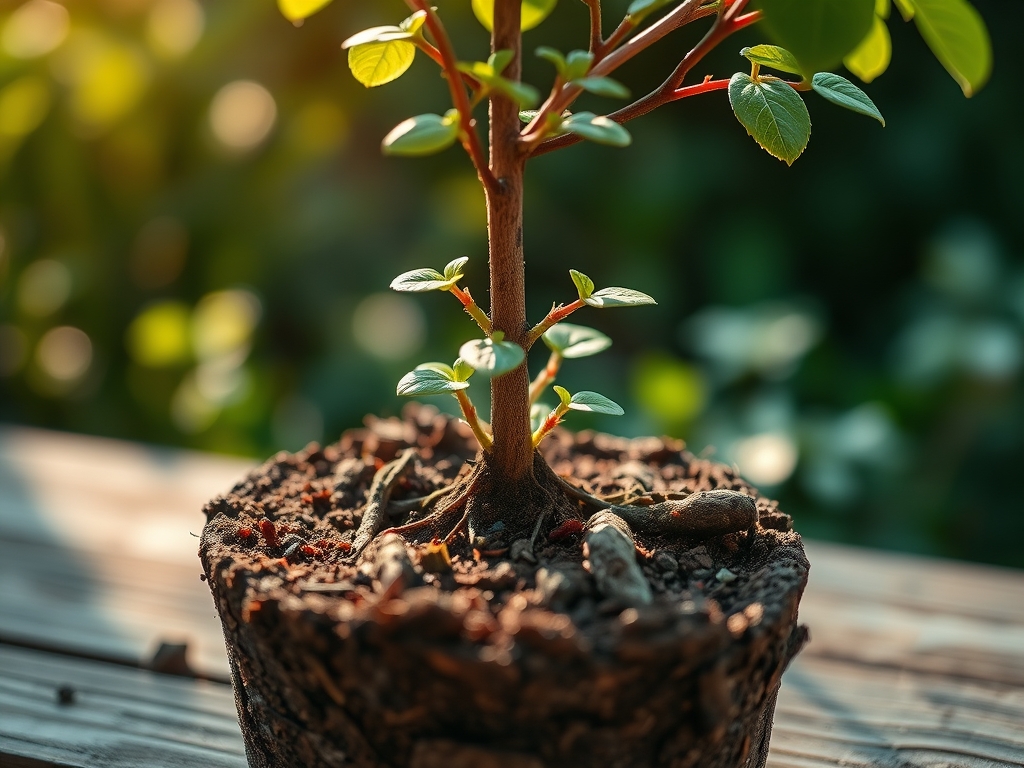
When you tip a rootbound money tree from its pot and find a dense spiral of tan roots pressing against the container walls, the plant is signaling a critical need. The steps for repotting a money tree begin with recognizing this compression stress, which throttles nutrient uptake and disrupts auxin distribution to the braided trunks. A well-timed repot restores cation exchange capacity in fresh substrate and allows the fibrous root system to colonize new territory. This guide walks through eight braiding maintenance tips integrated with the complete repotting sequence.
Materials
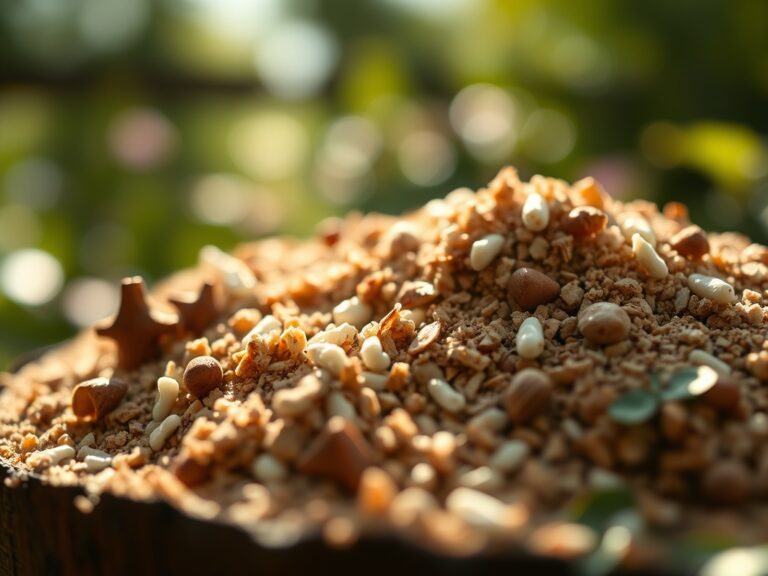
Select a container 2 inches larger in diameter than the current pot. Terracotta provides superior gas exchange but dries faster than glazed ceramic. The substrate must drain freely while maintaining pH between 6.0 and 6.5. Combine 40% peat moss or coco coir, 30% perlite, 20% pine bark fines, and 10% worm castings. Amend with a 4-4-4 organic fertilizer at one tablespoon per gallon of mix to establish baseline macronutrients. Avoid slow-release synthetics during the first six weeks post-transplant, as damaged roots cannot regulate salt uptake efficiently.
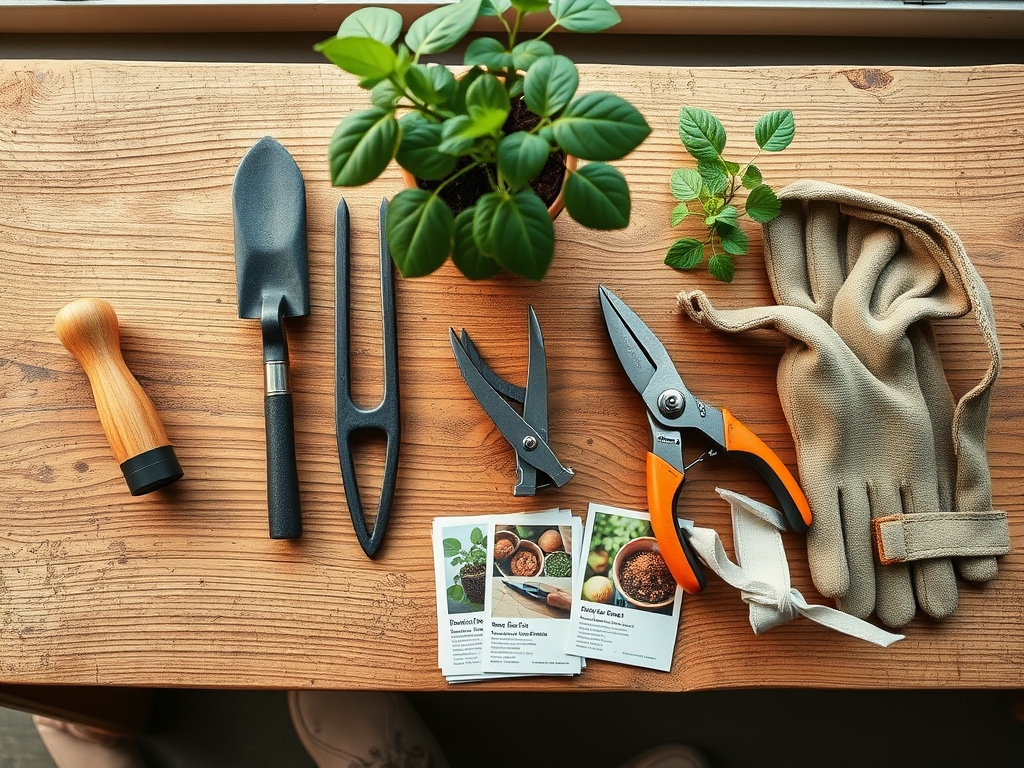
Sterilize pruning shears with 70% isopropyl alcohol. Have a spray bottle filled with room-temperature water to mist exposed roots during handling. Mycorrhizal inoculant powder, applied directly to root surfaces, colonizes within 14 days and extends effective root area by 40% in controlled trials.
Timing
In USDA Hardiness Zones 10 through 12, repot money trees outdoors after the last frost date, typically mid-March through April. Indoor specimens grown in Zones 4 through 9 should be repotted during active growth from late April through June, when nodes produce new leaves every 10 to 14 days. Avoid repotting from October through February, when reduced daylight slows cell division and limits the plant's ability to seal pruning wounds. Root activity peaks when soil temperature stabilizes above 65 degrees Fahrenheit, measured 2 inches below the substrate surface.
Phases
Preparation and Root Inspection
Water the plant 24 hours before repotting to ensure roots are turgid and less prone to fracture. Slide the root ball from the container by tapping the base while supporting the trunks. Inspect the root mass for circling roots thicker than a pencil. These must be pruned to prevent girdling as they lignify. Use sterilized shears to make clean cuts at a 45-degree angle, removing the outer 1 inch of the root ball's perimeter. Trim any brown, mushy roots back to firm white tissue.
Pro-Tip: Dust cut surfaces with mycorrhizal inoculant immediately after pruning. The fungal hyphae colonize wounded tissue first, outcompeting pathogenic organisms like Pythium and Rhizoctonia.

Repotting and Braiding Adjustment
Place 2 inches of prepared substrate in the new container. Position the root ball so the trunk base sits 1 inch below the pot rim. This depth prevents water from cascading over the edge during irrigation. Backfill around the root mass, tamping gently every 2 inches to eliminate air pockets. Do not compress the substrate, as this reduces porosity below 20% and restricts oxygen diffusion to roots.
Examine the braid. If one trunk grows faster and dominates apical growth, pinch the terminal bud to redirect auxin to weaker trunks. Secure loose sections with soft cotton twine tied in a figure-eight pattern to prevent bark abrasion. Tighten the braid only during active growth, when stems remain flexible. Dormant or water-stressed trunks crack under tension.
Pro-Tip: Apply lanolin paste to areas where bark has rubbed. The waterproof barrier prevents desiccation while the cambium regenerates.
Establishment
Water thoroughly until liquid drains from the bottom. Empty the saucer after 15 minutes to prevent anaerobic conditions. Place the repotted specimen in indirect light at 200 to 400 foot-candles for two weeks. Full sun exposure during this window increases transpiration faster than damaged roots can absorb water, causing leaf scorch. Resume standard light levels once new growth emerges from nodes.
Pro-Tip: Foliar spray with a kelp solution (1 teaspoon per quart) every five days for the first month. Cytokinins in kelp extract stimulate root hair production and accelerate establishment by 30%.
Troubleshooting
Symptom: Yellow leaves with green veins appearing three weeks post-repot.
Solution: Interveinal chlorosis indicates iron deficiency from elevated substrate pH. Drench soil with chelated iron at 1 tablespoon per gallon. Retest pH and amend with sulfur if above 6.8.
Symptom: Brown leaf tips and edges.
Solution: Salt accumulation from over-fertilization or tap water high in fluoride. Leach the pot with distilled water equal to three times the container volume. Switch to rainwater or reverse-osmosis water.
Symptom: Soft, blackened trunk sections near the braid.
Solution: Phytophthora crown rot from excessive moisture. Unpot immediately, remove all infected tissue back to healthy wood, dust with cinnamon powder (a natural fungicide), and repot in sterile, fast-draining mix. Water only when the top 2 inches of substrate dry completely.
Symptom: White, cottony masses on trunks.
Solution: Mealybug infestation. Dab insects with a cotton swab dipped in 70% isopropyl alcohol. Spray weekly with insecticidal soap at 2 tablespoons per quart until clear.
Maintenance
Provide 1 inch of water per week during the growing season, delivered when the top 2 inches of substrate feel dry. Reduce to 0.5 inches every 10 days from November through February. Feed every four weeks with a balanced liquid fertilizer diluted to half strength (NPK 10-10-10 at 1 teaspoon per gallon). Prune leggy growth in early spring by cutting above a node at a 45-degree angle. Maintain indoor humidity between 40% and 60% with a pebble tray or room humidifier. Rotate the pot 90 degrees weekly to ensure even light distribution and symmetrical canopy development.
FAQ
How often should a money tree be repotted?
Every 18 to 24 months or when roots emerge from drainage holes. Younger plants grow faster and require annual repotting.
Can I separate braided trunks during repotting?
Yes, but only if roots have not fused. Use a sharp knife to divide the root ball vertically. Each section needs at least three healthy trunks and an intact root system.
What substrate pH prevents root rot?
Maintain pH between 6.0 and 6.5. Below 5.8, aluminum toxicity inhibits root growth. Above 7.0, phosphorus becomes unavailable.
Should I prune roots every time I repot?
Trim only damaged, circling, or rootbound sections. Healthy roots should be disturbed minimally to reduce transplant shock.
Why did leaves drop after repotting?
Transplant shock from severed root hairs or abrupt environmental change. Ensure consistent moisture and avoid fertilizing for six weeks. Recovery takes four to eight weeks.