7 Stress-Relief Benefits of Seaweed Extract for Plants
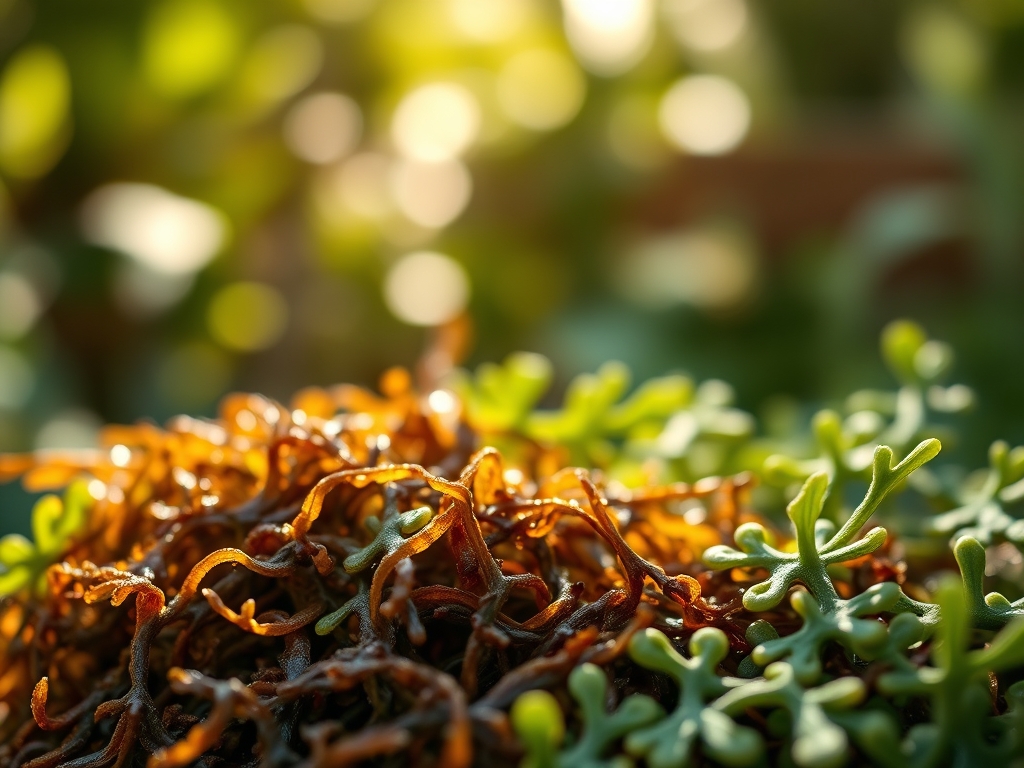
The smell of damp earth and the firm turgor of a waxy leaf indicate a plant in peak physiological health. When a specimen loses this rigidity, it is often due to cellular dehydration or osmotic imbalance. Using a seaweed extract for houseplant stress provides a concentrated dose of cytokinins and betaines that stabilize cell membranes. These compounds act as osmoprotectants, ensuring the plant retains water even when indoor humidity levels drop below 30 percent. Most tropical houseplants struggle when the vapor pressure deficit becomes too high; seaweed extracts mitigate this by regulating stomatal conductance. This is not a traditional fertilizer but a metabolic catalyst. It triggers the plant's internal defense mechanisms, known as systemic acquired resistance. By applying these marine kelp derivatives, you provide the plant with the chemical tools necessary to withstand temperature fluctuations and low light. A healthy houseplant should feel cool to the touch and resist bending. When these traits fail, the rhizosphere requires immediate intervention.
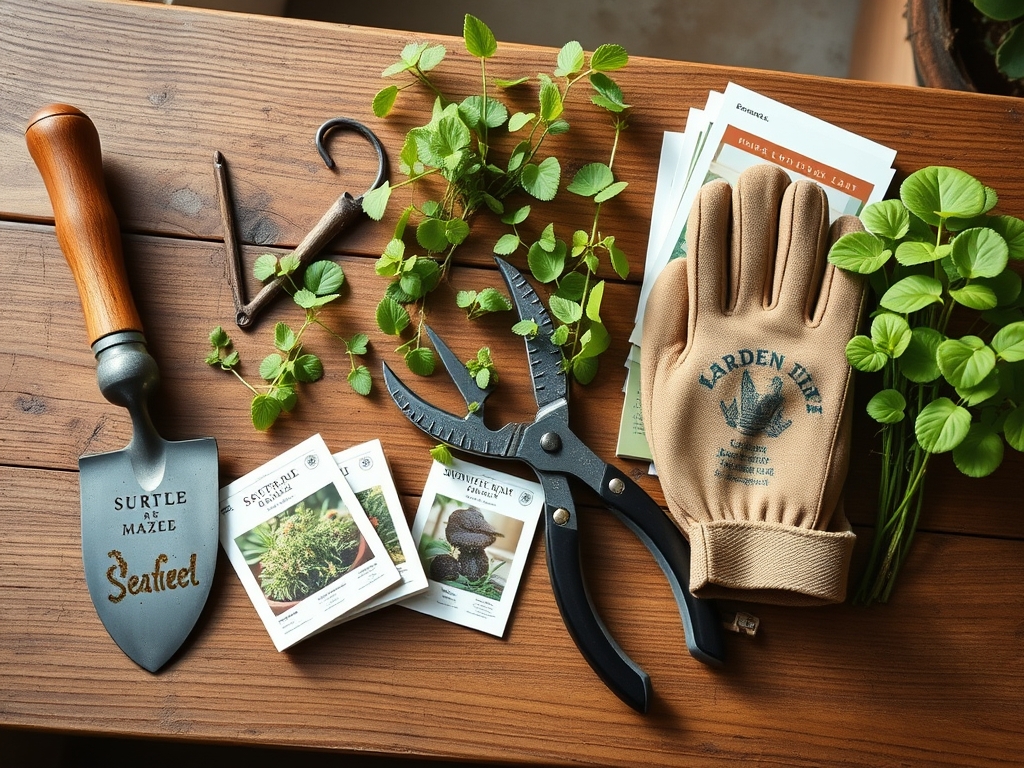
Materials:
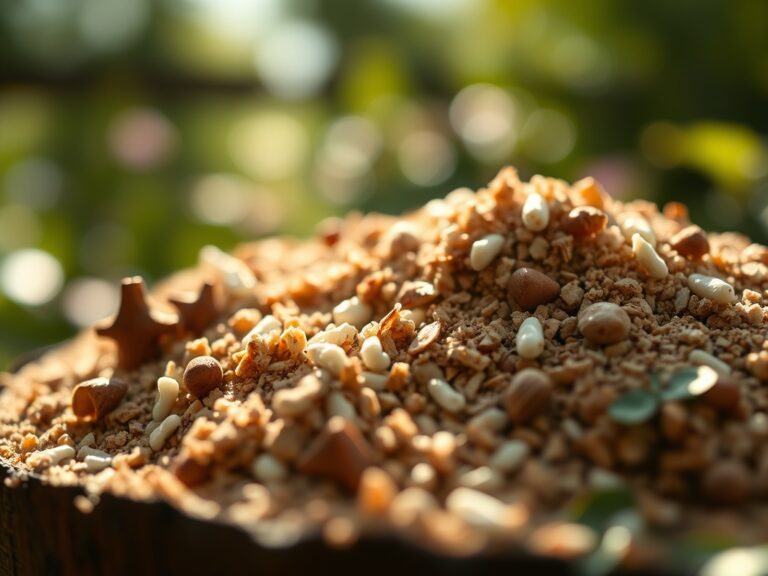
To optimize the efficacy of seaweed extracts, the substrate must be a **friable loam** with a high **Cation Exchange Capacity (CEC)**. This ensures that the micronutrients within the extract, such as boron and molybdenum, are held in the root zone rather than leaching out during irrigation. The ideal soil pH for most houseplants is between **5.8 and 6.5**. At this acidity level, the solubility of minerals is maximized.
The seaweed extract itself typically carries an NPK ratio of 0-0-1 or 0.1-0.1-1.5. It is a source of potassium, which is vital for the activation of over 60 enzymes. Ensure your potting mix contains a blend of 40 percent peat or coco coir, 30 percent perlite, and 30 percent compost. This ratio maintains the necessary macroporosity for oxygen to reach the roots while providing enough surface area for microbial colonization.
Timing:
The biological clock of a houseplant is governed by the photoperiod. Most indoor species enter a semi-dormant state when daylight falls below 10 hours per day. In Hardiness Zones 5 through 7, this transition occurs rapidly in late October. You must apply seaweed extract before the first frost date, typically between October 15 and November 15, to harden the plant against the dry heat of indoor radiators.
During the transition from the vegetative stage to the reproductive or dormant stage, the plant shifts its energy from leaf production to root maintenance. Apply the extract every 21 to 28 days during this window. This timing aligns with the natural cellular turnover rate. Avoid heavy applications during the deep winter months of December and January unless the plant is under grow lights mimicking a 14-hour day.
Phases:

Sowing and Germination
When starting seeds, soak them in a 0.5 percent solution of seaweed extract for 12 hours prior to planting. This softens the seed coat and introduces alginic acid into the immediate environment. Alginic acid acts as a soil conditioner, improving the water-holding capacity of the seed-starting mix.
Pro-Tip: The alginates in seaweed stimulate mycorrhizal symbiosis. These beneficial fungi extend the reach of the root system, allowing the seedling to absorb phosphorus that would otherwise be chemically locked in the soil.
Transplanting
Transplant shock occurs when root hairs are damaged, leading to a sudden drop in turgor pressure. Use a seaweed drench immediately after moving a plant to a larger vessel. The extract contains auxins, which are plant hormones that promote the initiation of new lateral roots.
Pro-Tip: High levels of cytokinins in the extract counteract auxin suppression. This balance prevents the plant from "stalling" after its roots have been disturbed, ensuring continuous upward growth.
Establishing
Once a plant is established, it must maintain a balance between its canopy and its root mass. Foliar feeding with a 1:500 dilution of seaweed extract every two weeks enhances chlorophyll production. This results in a higher rate of photosynthesis even in lower light conditions.
Pro-Tip: Seaweed contains mannitol, a complex sugar that helps the plant regulate its internal salt concentrations. This prevents "leaf burn" in environments where tap water has a high mineral content or Total Dissolved Solids (TDS) above 300 ppm.
The Clinic:
Physiological disorders often manifest as visible changes in the foliage. Use the following diagnostic guide to identify and treat common issues.
- Symptom: Interveinal Chlorosis. The leaf is yellow, but the veins remain green.
- Solution: This indicates a magnesium or iron deficiency. Apply a seaweed extract enriched with chelated iron. The seaweed acts as a chelating agent, making the iron more bioavailable to the plant roots at a pH above 7.0.
- Symptom: Leaf Abscission. Healthy-looking leaves drop suddenly from the plant.
- Solution: This is often caused by ethylene gas buildup or sudden temperature shifts. Seaweed extract reduces senescence by inhibiting the production of ethylene, the plant's aging hormone.
- Symptom: Marginal Necrosis. The edges of the leaves turn brown and crispy.
- Solution: This is a classic sign of potassium deficiency or salt accumulation. Flush the soil with 2 gallons of water per gallon of pot volume, then reintroduce potassium via a seaweed drench to restore osmotic balance.
Fix-It: Nitrogen Chlorosis
If the entire plant is turning a pale lime green, it lacks nitrogen. While seaweed is low in nitrogen, it increases the microbial activity in the soil. These microbes break down organic matter into nitrates. Supplement your seaweed application with a fish emulsion (5-1-1) to provide an immediate nitrogen boost.
Maintenance:
Precision is the hallmark of a master horticulturist. Use a soil moisture meter to ensure the substrate remains at a "Level 4" (moist but not saturated) before applying seaweed treatments. For a standard 10-inch pot, apply 1.5 cups of solution directly to the root zone.
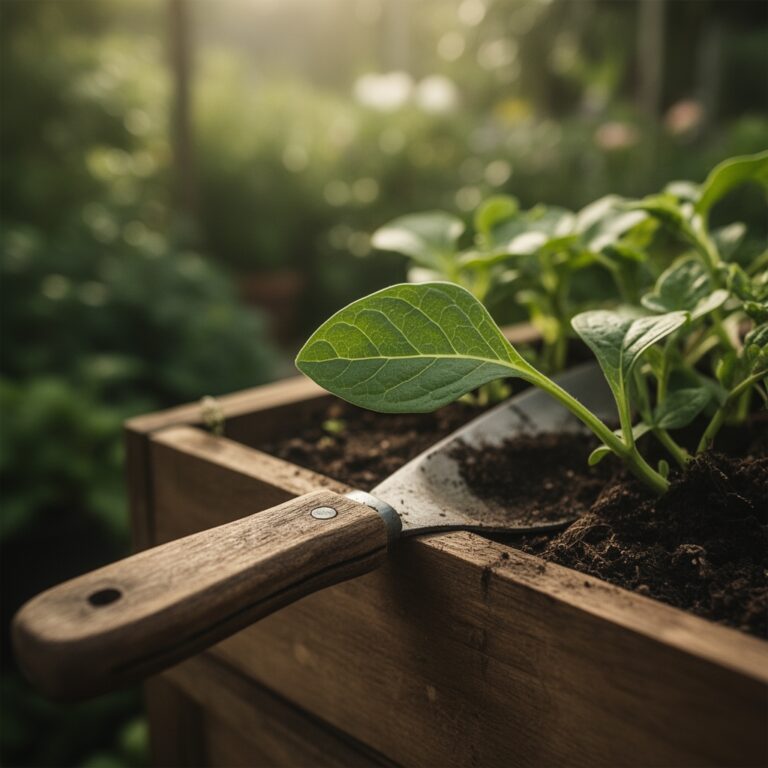
When pruning dead wood or thinning the canopy, use sharpened bypass pruners to make clean cuts at a 45-degree angle just above a node. This prevents water from pooling on the wound and inviting fungal pathogens. If the plant is root-bound, use a hori-hori knife to slice vertically through the outer inch of the root ball before repotting. This mechanical disruption, followed by a seaweed soak, forces the plant to generate a more robust, fibrous root system.
The Yield:
For those growing indoor herbs or flowering species like Saintpaulia, the yield is measured in essential oil concentration and bloom duration. Harvest herbs in the morning when essential oil levels are at their peak. Use a sharp blade to avoid crushing the vascular tissue.
Post-harvest, dip the cut stems in a chilled seaweed solution for ten minutes. This replaces lost moisture and provides a small sugar boost to the tissues, ensuring "day-one" freshness for several days longer than untreated cuttings. For flowering plants, the potassium in the seaweed will extend the life of the petals by maintaining cell wall integrity.
FAQ:
Can I use seaweed extract on every houseplant?
Yes. Most species benefit from the micronutrients and growth hormones. However, use a half-strength dilution for succulents and cacti, as their metabolic rates are slower and they require less frequent intervention than tropical broadleaf plants.
How often should I apply seaweed extract?
Apply every two to four weeks during the active growing season. During the winter dormancy period, reduce applications to once every six to eight weeks. Over-application can lead to a salt buildup in the substrate.
Does seaweed extract replace regular fertilizer?
No. Seaweed is a biostimulant, not a complete fertilizer. It lacks the high nitrogen and phosphorus levels required for heavy growth. Use it as a supplement alongside a balanced organic fertilizer to ensure a full nutrient profile.
Can I spray seaweed extract on the leaves?
Foliar feeding is highly effective. The plant absorbs nutrients through the stomata on the underside of the leaves. Spray during the early morning or evening to prevent the sun or grow lights from burning the wet foliage.