7 pH Steps to Use a Soil Acidifier for Gardenias
Gardenias grown indoors often develop chlorotic leaves and refuse to bloom, not because of neglect, but because municipal tap water and standard potting mixes push pH above 6.5. The plant's roots cannot absorb iron, manganese, or zinc at alkaline levels. Using a soil acidifier for indoor gardenias restores the pH range of 5.0 to 6.0, enabling nutrient uptake and triggering the biochemical pathways that produce those waxy, fragrant flowers. The correction is not optional. It is the single most decisive intervention for gardenias confined to containers.
Materials
Select acidifiers by chemistry and release rate. Elemental sulfur granules (90% sulfur) lower pH slowly over 8 to 12 weeks as soil bacteria oxidize the element into sulfuric acid. Apply 1 teaspoon per gallon of potting medium at repotting. Aluminum sulfate acts within 7 days, delivering immediate correction, but repeated use accumulates aluminum ions that compete with calcium at the cation exchange capacity sites. Use it only for emergency intervention, at 1 tablespoon per gallon of water, applied as a drench.
For fertilization, pair acidification with a 4-4-4 organic meal that includes cottonseed meal, blood meal, and kelp. Cottonseed meal naturally lowers pH as it decomposes. Alternatively, use a 30-10-10 synthetic formulation designed for acid-loving plants, applied at 1/4 teaspoon per gallon every 14 days during active growth. Avoid any product listing lime or dolomite in the ingredients. Those buffer agents neutralize acidity.
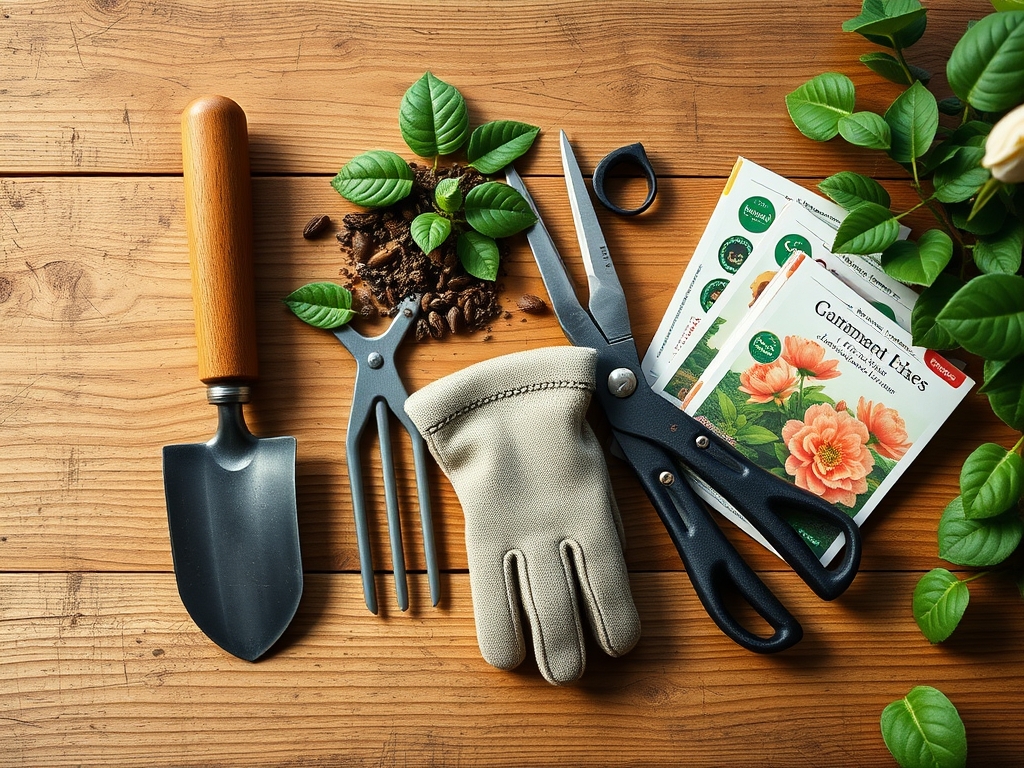
Equip yourself with a soil pH meter that reads to 0.1 increments, not pH strips. Collect distilled water for slurry tests. Buy chelated iron (Fe-EDTA or Fe-EDDHA) in liquid form at 5% concentration. Keep sphagnum peat moss and pine bark fines on hand for substrate amendments.
Timing
Gardenias are evergreen shrubs hardy in USDA Zones 7 through 10. Indoors, they experience no true dormancy but slow growth from November through February when day length drops below 10 hours. Begin acidification in March, two weeks before the spring equinox, when auxin distribution shifts toward apical meristem and new flush begins. This synchronizes pH correction with root hair proliferation.
If you acquired a gardenia in full bloom from a greenhouse, wait 30 days before applying any acidifier. The plant is under transplant stress, and abrupt chemical shifts can abort flower buds. Monitor pH weekly during the first 60 days. After that, test every 30 days.
In Zones 7 and 8, gardenias can summer outdoors. Move them outside after the last frost date, typically mid-April, and return them indoors before nighttime temperatures drop below 50°F in October.
Phases
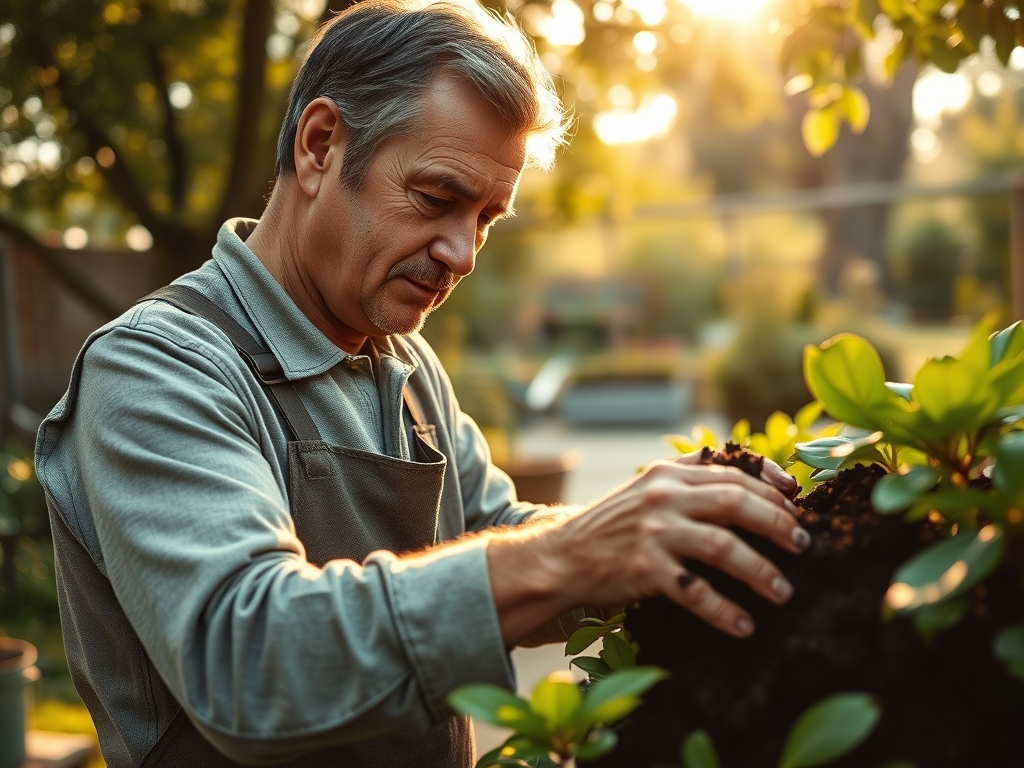
Sowing: Gardenias propagate from semi-hardwood cuttings, not seed. Take 4-inch cuttings in June when stems are firm but not lignified. Strip the lower two leaf nodes. Dip the cut end in 3,000 ppm indole-3-butyric acid (IBA) rooting hormone. Insert into a 50/50 mix of perlite and milled sphagnum peat, pre-acidified with 1 teaspoon elemental sulfur per quart. Maintain substrate pH at 5.5. Roots develop in 6 to 8 weeks under 80% humidity and 72°F bottom heat.
Pro-Tip: Inoculate rooting medium with Rhizophagus irregularis (formerly Glomus intraradices). This endomycorrhizal fungus colonizes gardenia roots, extending phosphorus uptake radius by 10 cm and improving pH tolerance by 0.3 units.
Transplanting: Move rooted cuttings into 6-inch containers when roots reach pot edges. Use a substrate blend of 40% pine bark fines (1/4-inch size), 40% Canadian sphagnum peat, and 20% perlite. Incorporate 1 tablespoon elemental sulfur per gallon of mix. Water with a solution of 1 teaspoon aluminum sulfate per gallon to shock-correct pH to 5.2 immediately after transplant. Within 14 days, drench with half-strength 4-4-4 liquid fertilizer.
Pro-Tip: Prune the terminal bud at a 45-degree angle, removing the top 1/2 inch. This redirects auxin laterally, forcing at least two axillary shoots and doubling future bloom sites.
Establishing: After 90 days, gardenias enter steady vegetative growth. Test pH every 30 days. If pH drifts above 6.0, apply 1 teaspoon elemental sulfur per gallon of soil, scratched into the top inch and watered in with 1 cup distilled water. Supplement with chelated iron at 1/2 teaspoon per gallon once per month. Spray foliage with the same solution if interveinal chlorosis persists despite corrected soil pH. The stomata absorb iron directly.
Pro-Tip: Place the container on a tray filled with 1 inch of pebbles and water. This raises ambient humidity to 50%, reducing transpiration stress that exacerbates nutrient deficiency symptoms.
Troubleshooting
Symptom: Leaves turn yellow with green veins (interveinal chlorosis).
Solution: Indicates iron deficiency due to high pH. Test soil. If above 6.0, drench with 1 tablespoon aluminum sulfate per gallon. Foliar-spray with chelated iron at 1 teaspoon per gallon every 7 days for three weeks.
Symptom: Brown leaf tips and margins.
Solution: Salt accumulation from over-fertilization or high sodium in tap water. Leach the pot with distilled water at three times the container volume. Resume fertilization at half the previous rate.
Symptom: Flower buds drop before opening.
Solution: Fluctuating temperature or low humidity. Gardenias abort buds if nighttime temperature varies more than 5°F. Maintain 65°F to 70°F nights. Raise humidity above 50% with a cool-mist humidifier placed 3 feet from the plant.
Symptom: White, cottony masses on stems and leaf axils.
Solution: Mealybugs (Pseudococcidae family). Dip a cotton swab in 70% isopropyl alcohol and touch each insect directly. Spray the entire plant with insecticidal soap at 2% concentration every 5 days for three applications.
Symptom: Sooty mold on leaf surfaces.
Solution: Secondary infection from honeydew excreted by aphids or whiteflies. Wipe leaves with a solution of 1 tablespoon dish soap per quart of water. Treat the pest with neem oil at 2 tablespoons per gallon, applied every 7 days.
Maintenance
Water when the top 1 inch of soil feels dry to the touch. Deliver 1 cup of distilled or rainwater per 6-inch pot, allowing 10% to drain from the bottom. Gardenias cannot tolerate standing water. Empty saucers within 15 minutes.
Fertilize with 30-10-10 at 1/4 teaspoon per gallon every 14 days from March through September. Withhold fertilizer from October through February. Prune after the final spring bloom flush, removing spent flowers and cutting stems back by one-third to outward-facing nodes at 45-degree angles.
Repot every 24 months in March. Move up one container size, refreshing substrate and adding 1 tablespoon elemental sulfur per gallon. Avoid root disturbance beyond teasing out circling roots.
Test pH monthly. If it remains stable at 5.5 for six consecutive months, reduce testing to every 60 days.
FAQ
How often should I apply elemental sulfur to indoor gardenias?
Every 90 days during active growth. Elemental sulfur depletes as soil bacteria oxidize it. Test pH 30 days after application to confirm effectiveness.
Can I use vinegar to acidify gardenia soil?
No. Acetic acid provides only temporary pH reduction, lasting less than 48 hours. It does not alter cation exchange capacity or provide sustained correction.
What pH level triggers iron chlorosis in gardenias?
Above 6.5, iron precipitates as insoluble ferric hydroxide. Roots cannot absorb it regardless of soil iron content.
Is coffee grounds an effective acidifier for gardenias?
Fresh grounds have a pH near 6.8 and provide negligible acidification. Composted grounds reach pH 6.2 but lack the sulfur necessary for lasting correction.
Why do gardenia leaves yellow despite correct pH?
Check for root rot caused by overwatering or compacted substrate. Even at pH 5.5, damaged roots cannot transport nutrients. Examine root color. Healthy roots are white to tan. Brown, mushy roots indicate Phytophthora or Pythium infection requiring fungicide drench with mefenoxam.