8 Ways to Prepare Your Space for a New Trellis
The smell of damp, anaerobic earth indicates a lack of oxygen in the rhizosphere, while the firm turgor of a healthy leaf signals a vascular system functioning at peak efficiency. Vertical gardening requires more than just driving a stake into the dirt; it demands a precise manipulation of the local environment to support concentrated biomass. Understanding how to prepare a garden for a trellis begins with structural integrity and ends with the chemical balance of the soil profile. You are not merely installing a support; you are engineering a vertical habitat where gravitational stress and wind shear will test the biological limits of your cultivars.
Materials:
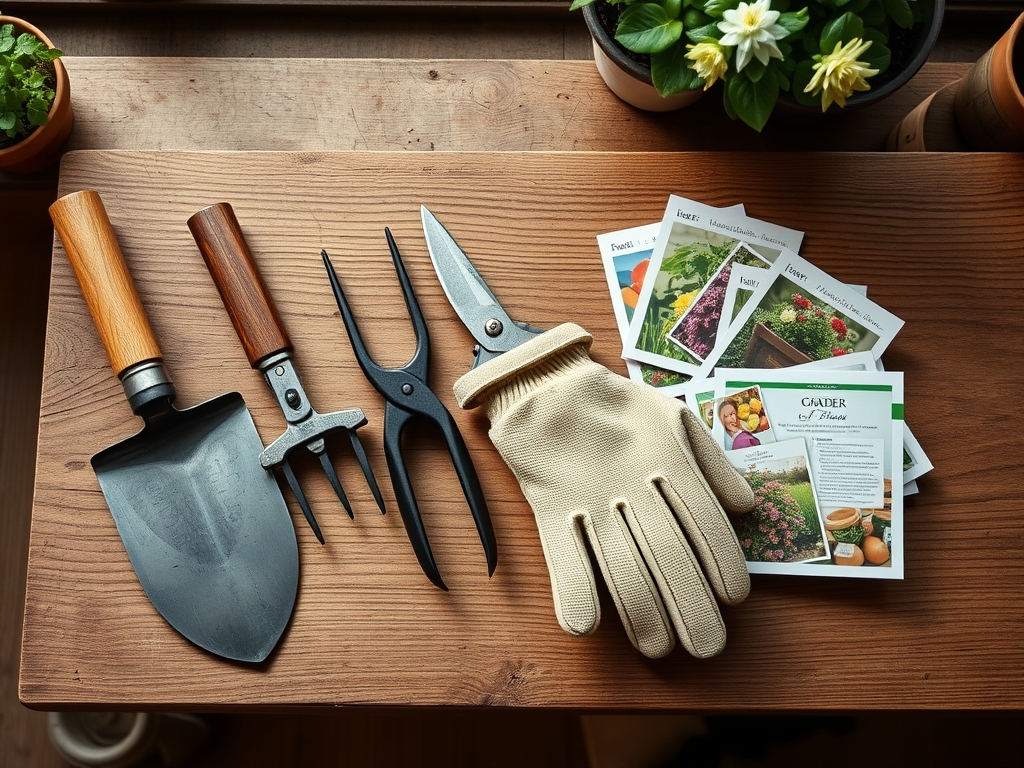
Success starts with a **friable loam** substrate that allows for rapid root penetration and gas exchange. The ideal soil for heavy feeders on a trellis should maintain a **pH between 6.2 and 6.8** to ensure maximum nutrient bioavailability. Before installation, incorporate a balanced **NPK ratio of 10-10-10** for general establishment, or a **5-10-10** ratio if you are prioritizing root development and flowering over excessive foliar growth.
The soil must have a high Cation Exchange Capacity (CEC), typically achieved by adding organic matter like well-composted manure or leaf mold. This increases the soil's ability to hold onto positively charged ions such as calcium, magnesium, and potassium. Ensure you have 12-gauge galvanized wire or rot-resistant cedar for the frame. Avoid pressure-treated lumber that may leach arsenic or chromium into the root zone of edible crops.
Timing:
Timing is dictated by the Hardiness Zone and the specific photoperiod requirements of your plants. In Zones 5 through 7, the window for trellis preparation usually opens 2 to 3 weeks before the last predicted frost date. This allows the soil to settle after amendment. You must align your installation with the plant's Biological Clock, specifically the transition from the vegetative stage to the reproductive stage.
If you install the trellis too late, you risk damaging the root system during the "stretch" phase when auxin production is at its peak. For indeterminate tomatoes or aggressive climbers like pole beans, the structure must be in place when the plant reaches 6 to 8 inches in height. This prevents the prostrate growth that invites fungal pathogens from the soil surface to colonize the lower leaf canopy.
Phases:
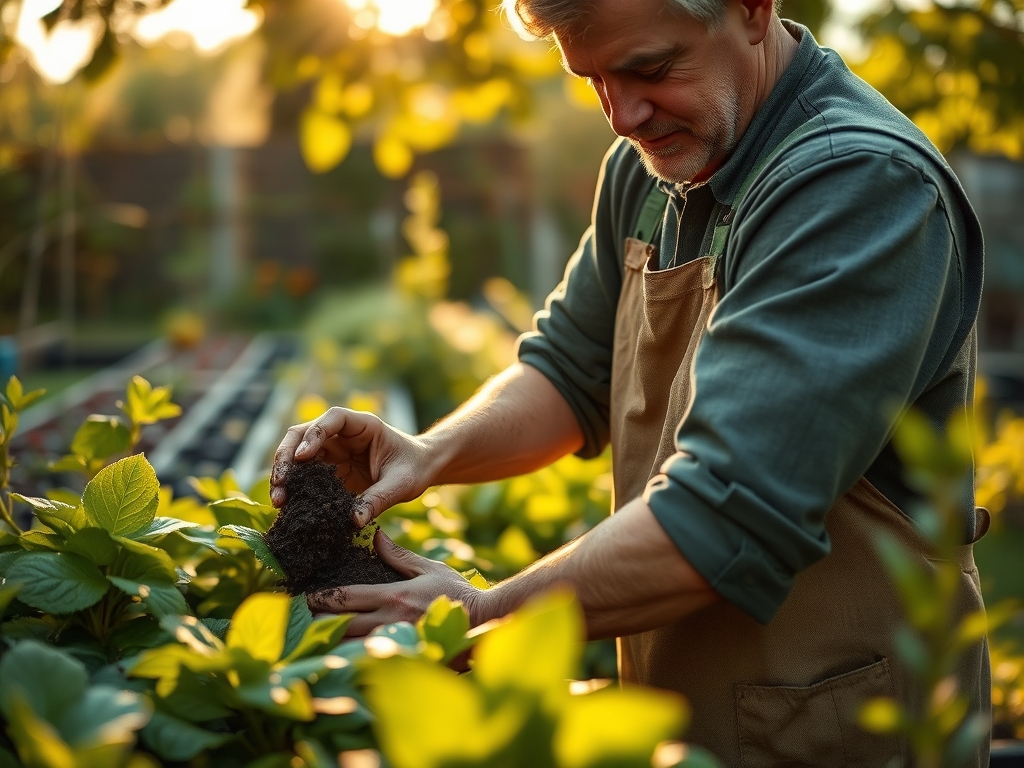
Sowing and Site Preparation
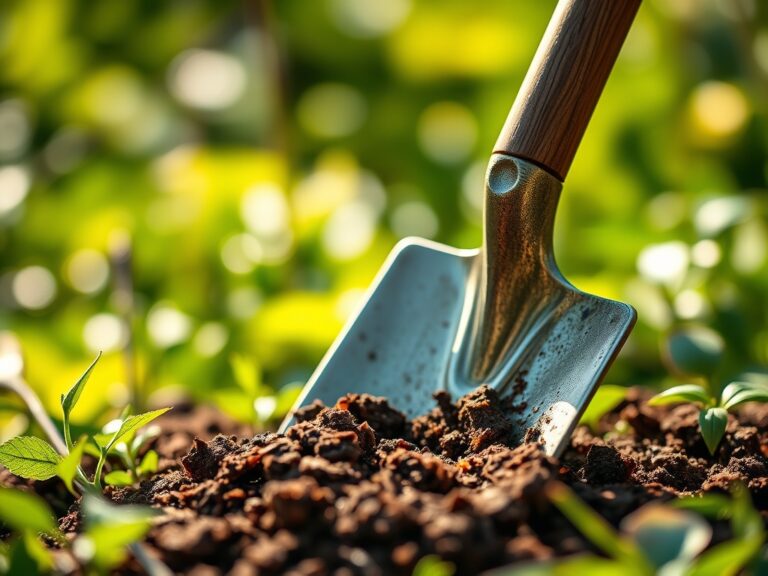
Clear a radius of 18 inches around the trellis base to eliminate competition for water and nutrients. Excavate the soil to a depth of 12 inches to break up any compaction layers. If the soil is heavy clay, incorporate perlite or coarse sand to improve drainage.
Pro-Tip: Inoculate the seeds or planting hole with mycorrhizal fungi. This biological why is simple: the symbiotic relationship extends the root's reach, allowing the plant to pull phosphorus and water from micro-pores the plant roots cannot access alone.
Transplanting
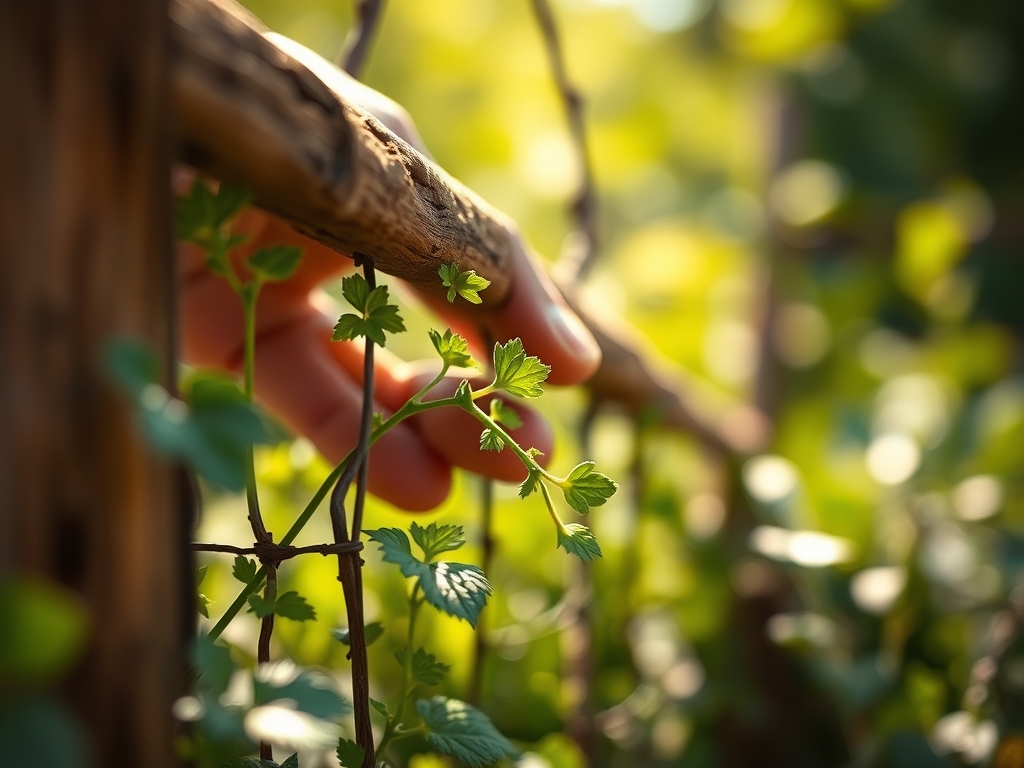
When moving seedlings to the trellis base, ensure the root ball is thoroughly saturated. Position the plant at a 45-degree angle toward the support structure. This encourages the primary stem to find the trellis through thigmotropism, which is the plant's growth response to touch.
Pro-Tip: Avoid burying the crown too deep. Maintaining the proper depth prevents stem rot and ensures that the transition zone between the root and shoot remains oxygenated.
Establishing and Training
As the plant grows, use soft garden twine to secure the main lead. Do not tie the knots tight; leave a 1-inch loop to allow for secondary thickening of the stem. Monitor the photoperiod to ensure the plant receives at least 6 to 8 hours of direct solar radiation.
Pro-Tip: Use auxin suppression techniques by pinching off lateral suckers. By removing these side shoots, you redirect the plant's energy toward vertical elongation and terminal bud development.
The Clinic:
Physiological disorders often manifest when the vertical environment is not properly managed.
- Symptom: Interveinal chlorosis on older leaves.
- Solution: This indicates a Magnesium deficiency. Apply a foliar spray of Epsom salts (1 tablespoon per gallon of water) to restore chlorophyll production.
- Symptom: Blossom end rot on fruit.
- Solution: This is caused by a Calcium transport issue, often triggered by inconsistent moisture. Maintain steady hydration to ensure calcium moves through the xylem.
- Symptom: Yellowing of the entire plant starting from the bottom.
- Solution: Nitrogen chlorosis. Apply a high-nitrogen liquid fertilizer (NPK 4-1-1) to boost vegetative vigor.
Maintenance:
Vertical plants lose moisture faster due to increased wind exposure. Provide 1.5 inches of water per week delivered directly at the drip line. Use a soil moisture meter daily to ensure the root zone stays between 40% and 60% capacity.
Keep a hori-hori knife sharp for weeding near the base and use bypass pruners for clean cuts that minimize tissue damage. Sterilize your tools with 70% isopropyl alcohol between plants to prevent the spread of viral pathogens like Tobacco Mosaic Virus. Inspect the trellis anchors monthly; a heavy fruit load can exert over 50 pounds of downward force on a single support post.
The Yield:
Harvesting from a trellis requires precision to avoid damaging the main vine. For legumes, harvest when the pods are firm but before the seeds bulge, which signals the plant to enter senescence. For vining fruits, use the "slip" method or check for a specific color change at the distal end.
Handle the produce with care to maintain post-harvest turgor. Place harvested items in a cool, shaded area immediately. For flowers, a clean cut at a 45-degree angle followed by immediate submersion in 110-degree Fahrenheit water will maximize vase life by removing air embolisms from the xylem.
FAQ:
How deep should trellis posts be buried?
Posts should be buried at least 24 inches deep or one-third of their total height. For heavy crops, use concrete or gravel backfill to ensure the structure survives high winds and maximum fruit weight.
What is the best NPK ratio for trellised vegetables?
Start with a 10-10-10 for establishment. Switch to a 5-10-15 ratio once flowering begins. High potassium levels are essential for stem strength and water regulation within the plant's vascular tissues.
Can I reuse a trellis every year?
Yes, but you must sanitize it. Scrub the structure with a 10% bleach solution to kill overwintering fungal spores and insect eggs. Rotate your crops to prevent soil-borne pathogens from accumulating at the trellis base.
Why are my trellis plants wilting despite wet soil?
This is often root rot caused by poor drainage or overwatering. When the rhizosphere is saturated, roots cannot intake oxygen, leading to a collapse of the vascular system. Check soil drainage and reduce irrigation frequency.