8 Stability Steps to Prepare a Sturdy Plant Stand
Crushed perlite dust and the sharp, metallic scent of wet basalt gravel signal the start of a serious potting session. When a leaf maintains its turgor pressure, the plant stands rigid; however, the physical structure supporting that weight must be equally uncompromising. Learning how to prepare a plant stand for heavy pots requires more than aesthetic placement. It involves calculating the static load of saturated medium and ensuring the structural integrity of the staging area to prevent catastrophic collapse or root zone disturbance.
A ceramic pot holding 10 gallons of moist substrate can exceed 120 pounds. This mass exerts significant downward pressure on the stand's surface area. To manage this, the gardener must assess the load-bearing capacity of the materials while considering the physiological needs of the specimen. Proper preparation ensures that the rhizosphere remains undisturbed by vibrations or structural shifting. Stability is the foundation of long term botanical health. Without a rigid base, irrigation runoff can pool, leading to anaerobic conditions and fungal pathogens.
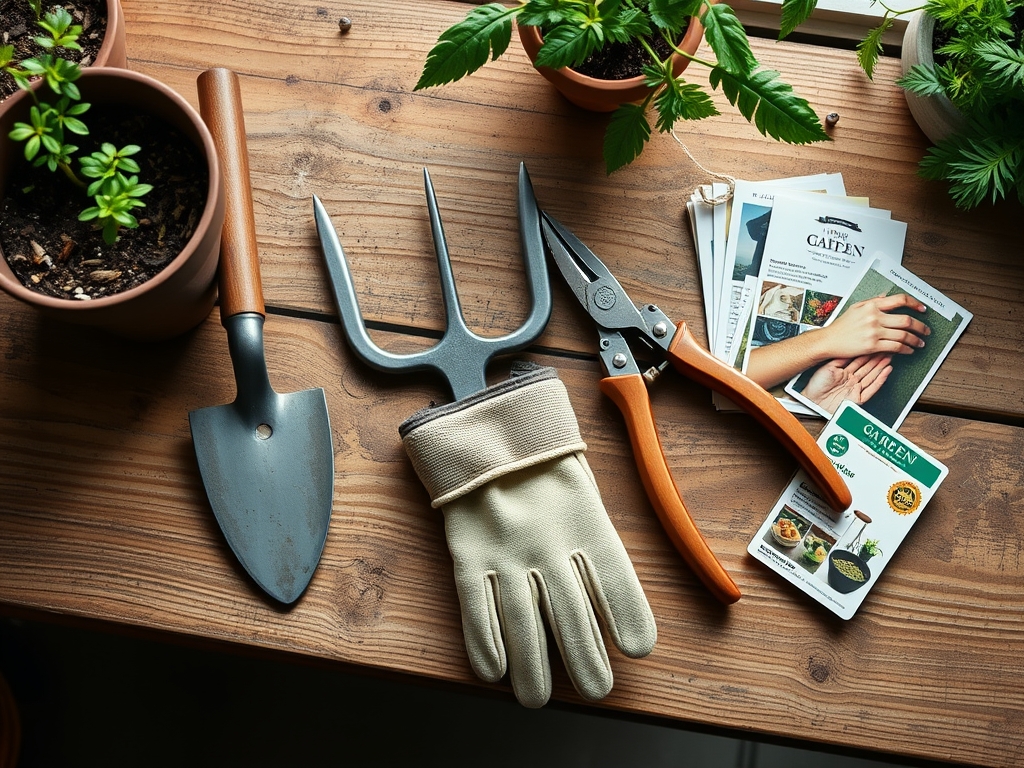
Materials:
Substrate selection for heavy containers requires a balance between drainage and Cation Exchange Capacity (CEC). For most woody perennials or heavy architectural plants, a **friable loam** with a **pH of 6.2 to 6.8** is optimal. This texture allows for gas exchange while supporting the massive weight of the plant.
The chemical profile of the medium must be tailored to the growth phase. A baseline NPK ratio of 10-10-10 provides balanced nutrition, but for heavy-pot stability, focus on phosphorus (P) to encourage a dense, anchoring root system. Incorporate elemental sulfur if the pH exceeds 7.5 or dolomitic lime if it falls below 5.5. The physical components should include 30 percent coarse pumice or perlite to prevent compaction under the sheer weight of the upper soil column.
Timing:
Hardiness Zones dictate the window for moving heavy containers onto stands. In Zones 5 through 7, the transition should occur after the last frost date, typically between April 15 and May 15. Moving heavy pots during the "Biological Clock" transition from vegetative growth to reproductive stages is risky; the plant is diverting energy to flowering or fruiting and has less resilience for environmental shocks.
Monitor the photoperiod. As day length increases, transpiration rates climb. A heavy pot on a metal stand can experience rapid root zone heating. The ideal time for setup is during the early morning when turgor pressure is at its peak. This ensures the plant is fully hydrated before the physical stress of being leveled and positioned on the stand.
Phases:
Sowing and Initial Potting
Start with a clean container. Ensure drainage holes are unobstructed. Layer the bottom with an inch of non-compressible aggregate. This prevents the drainage hole from sealing against the stand surface under high pressure.
Pro-Tip: Utilize mycorrhizal fungi inoculants during the initial potting. This biological symbiosis expands the root surface area by up to 1,000 percent, creating a more stable internal "rebar" of roots that holds the soil together when the pot is moved.
Transplanting to the Stand
When moving the specimen, use a heavy-duty dolly. Center the pot over the stand's vertical supports. Even a two-degree tilt can lead to uneven moisture distribution, causing one side of the root ball to desiccate while the other becomes hypoxic.
Pro-Tip: Check for auxin suppression. If a plant is tilted during the move, auxins will migrate to the shaded side of the stem, causing the plant to lean. Use a spirit level to ensure the stand is perfectly horizontal to maintain apical dominance and straight growth.
Establishing the Load
Once positioned, do not saturate the soil immediately. Allow the dry weight to settle the stand into its final position for 24 hours. This prevents "sinkage" in outdoor settings where the stand legs may penetrate the turf or mulch.
Pro-Tip: Observe phototropism over the first week. If the plant begins to lean away from the stand's center, rotate the pot 90 degrees weekly. This ensures even weight distribution of the canopy, preventing the stand from becoming top-heavy on one side.
The Clinic:
Physiological disorders often manifest when a plant is improperly staged.
- Symptom: Interveinal chlorosis (yellowing between leaf veins).
- Solution: This indicates a Magnesium deficiency. Apply 1 tablespoon of Epsom salts per gallon of water to restore chlorophyll production.
- Symptom: Marginal leaf burn or necrosis.
- Solution: Likely Potassium (K) deficiency or salt buildup. Flush the pot with three times its volume in water to leach excess salts from the root zone.
- Symptom: Rapid wilting despite wet soil.
- Solution: This is Root Rot (Phytophthora) caused by poor drainage on a flat stand surface. Elevate the pot using "pot feet" to allow airflow beneath the drainage hole.
Fix-It for Nitrogen Chlorosis: If the entire leaf turns pale green, apply a high-nitrogen liquid fertilizer with a 4-1-1 ratio. Nitrogen is mobile; the plant will prioritize new growth, so older leaves may remain yellowed until the nitrogen cycle stabilizes.
Maintenance:
A stable plant stand requires rigorous upkeep. Use a soil moisture meter daily to check the core of the root ball; do not rely on surface feel. Most heavy pots require 1.5 inches of water per week delivered at the drip line. Use a hori-hori knife to check for soil compaction every three months. If the blade cannot penetrate 4 inches easily, the soil is too compressed.
Prune dead or diseased wood using bypass pruners to maintain a balanced canopy. An overgrown canopy acts as a sail in high winds; for heavy pots on stands, this creates a high center of gravity that can lead to tipping. Keep the stand legs free of debris and check for structural fatigue or rust every season.
The Yield:
For fruiting plants like dwarf citrus or peppers in heavy pots, harvest when the fruit reaches its peak Brix level (sugar content). Use sharp snips to avoid tugging on the branches; mechanical stress can shift the pot on its stand. For maximum freshness, harvest in the pre-dawn hours when the plant is most hydrated. Immediately move the harvest to a cool, shaded area to slow senescence and preserve cellular integrity.
FAQ:
How do I stop a plant stand from sinking?
Place a solid concrete paver or a pressure-treated wood block under each leg. This distributes the weight over a larger surface area, preventing the stand from piercing the soil or mulch under the weight of heavy pots.
What is the best material for heavy pot stands?
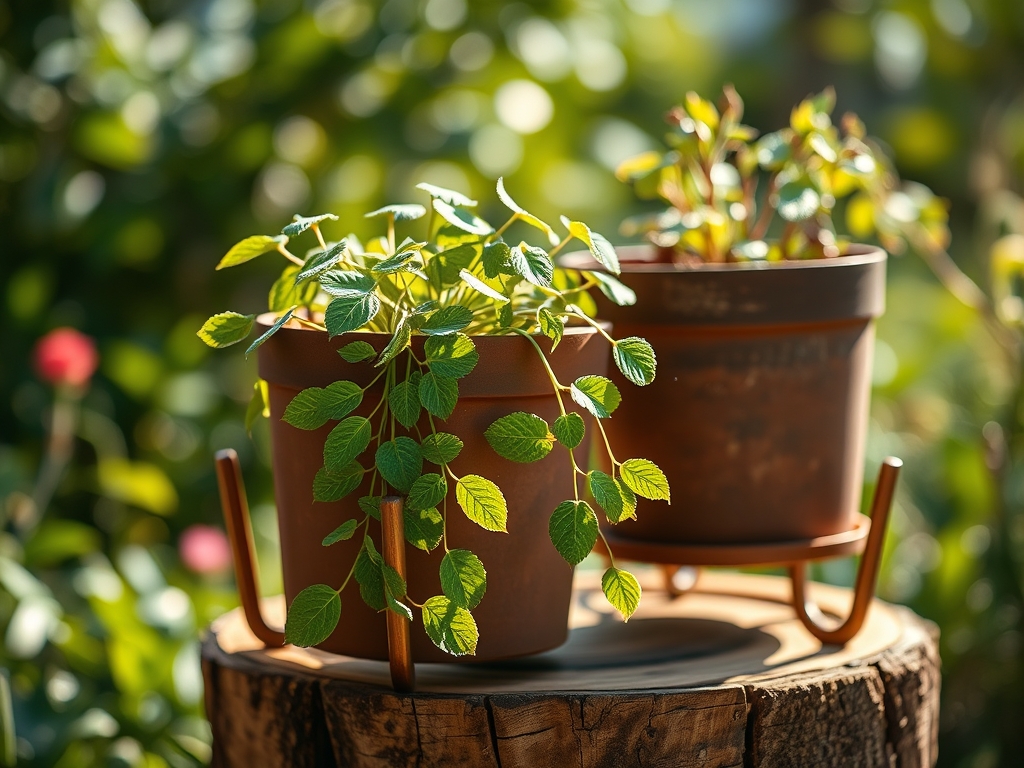
Powder-coated steel or heavy-duty wrought iron are superior. These materials resist the high compressive forces of 100+ pound containers and do not degrade under the constant moisture of a regular irrigation schedule.
How do I level a pot on an uneven stand?
Use galvanized steel shims or weather-resistant plastic wedges. Avoid organic materials like wood shims, which rot and compress over time, leading to a sudden shift in the pot's center of gravity and potential tipping.
Can I use wheels for heavy pots?
Only use industrial-grade locking casters rated for at least double the total weight of the pot and wet soil. Ensure the wheels are made of non-compressible polyurethane to prevent "flat-spotting" under long-term static loads.