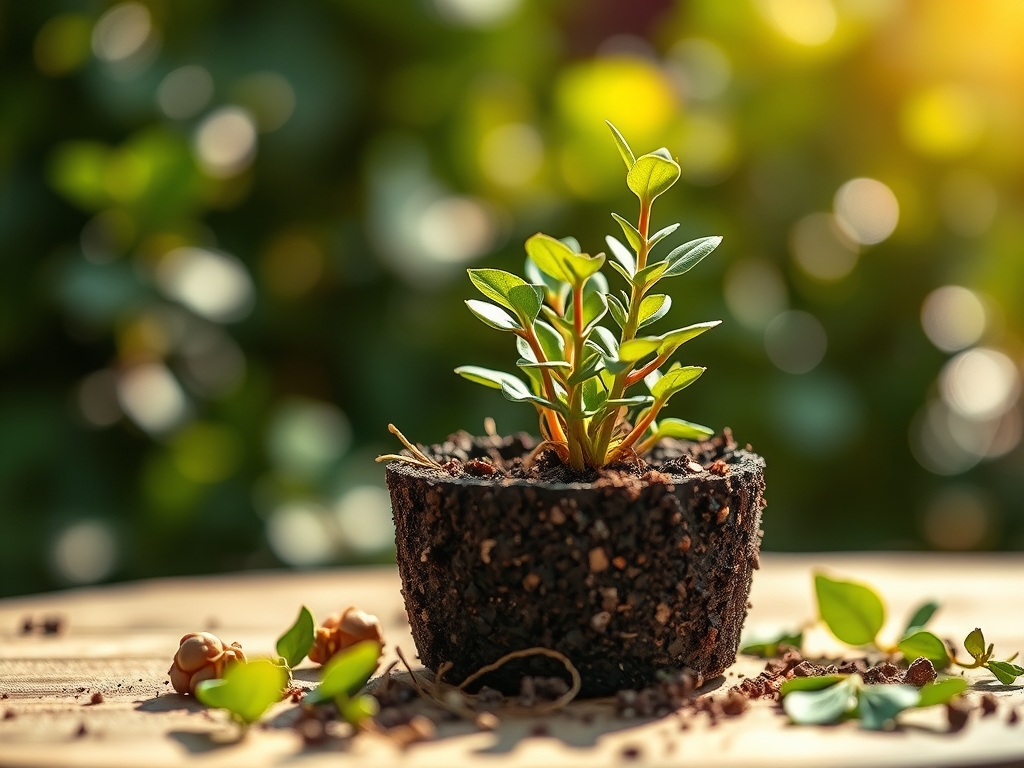
8 Rhizome Steps for Repotting a ZZ Plant
The scent of damp, anaerobic organic matter signals a failing root system long before the foliage begins to yellow. A healthy Zamioculcas zamiifolia maintains high turgor pressure within its succulent leaflets; they should feel firm and resist bending. When the plastic nursery pot begins to bulge or deform, the internal pressure of the subterranean rhizomes has reached its limit. Executing the proper steps for repotting a ZZ plant requires a technical understanding of its unique storage organs. These potato-like rhizomes act as water reservoirs, allowing the plant to survive prolonged drought through efficient cellular retention. However, when the rhizosphere becomes compacted, oxygen diffusion ceases and the risk of soft rot increases exponentially. You must intervene before the plant enters a state of physiological stress. This process is not merely a change of scenery; it is a critical mechanical adjustment to the plant's hydraulic system. Success depends on maintaining the integrity of the root cortex while providing a substrate that facilitates rapid drainage and gas exchange.
Materials:

The ideal substrate for a ZZ plant is a friable loam characterized by high porosity and low water retention. Aim for a soil pH between **6.0 and 7.0**. A slightly acidic environment ensures optimal nutrient availability, particularly for micronutrients like iron and manganese. The NPK ratio for the initial potting mix should be a low-dose, slow-release formula such as **2-2-2 or 3-1-2**. High nitrogen concentrations can cause leggy, weak growth that lacks the structural integrity to support the heavy, pinnate leaves.
The physical texture must include large-particle inorganic matter. A blend of 50 percent potting soil, 25 percent perlite, and 25 percent orchid bark creates the necessary macropores. This mixture ensures a high Cation Exchange Capacity (CEC) while preventing the "perched water table" effect in the bottom of the pot. Select a container only 1 to 2 inches larger in diameter than the current one. Using an oversized pot increases the volume of soil that remains saturated, which can lead to rhizome senescence.
Timing:
While ZZ plants are typically kept indoors in climate-controlled environments, they still respond to the biological clock of the external seasons. In Hardiness Zones 9 through 11, these plants can be moved outdoors, but for most growers, repotting should occur during the window of active vegetative growth. This typically spans from late March to early August, following the last spring frost date.
The plant's metabolic rate increases as day length expands, allowing for faster recovery from root disturbance. During this period, the production of auxins at the shoot tips signals the root system to expand. If you repot during the winter dormancy period, the plant lacks the hormonal drive to colonize the new substrate, leaving the fresh soil prone to fungal pathogens. Monitor the plant for "root bound" indicators: water running straight through the pot or roots emerging from the drainage holes.
Phases:

Sowing the Foundation
Begin by depotting the plant. If it is stuck, use a hori-hori knife to slice along the inner perimeter of the container. Gently grasp the base of the stems and pull. Inspect the rhizomes for any signs of necrosis. Healthy rhizomes are firm and light brown or white. Use bypass pruners sterilized with 70 percent isopropyl alcohol to remove any mushy or blackened roots.
Pro-Tip: Minimizing root disturbance preserves the mycorrhizal symbiosis already established in the root ball. These beneficial fungi extend the reach of the root system, aiding in phosphorus uptake. Only tease out the outer inch of roots to encourage them to grow into the new medium.
Transplanting and Positioning
Place a layer of the prepared substrate in the bottom of the new pot. Position the ZZ plant so that the top of the rhizomes sits approximately 1 inch below the rim of the pot. This prevents water from spilling over during irrigation. Backfill the gaps with soil, tapping the sides of the pot to settle the medium without compressing it. Compression destroys the air pockets necessary for root respiration.
Pro-Tip: Ensure the plant is not buried deeper than its original depth. Deep planting can lead to stem rot as the non-suberized tissue of the petioles remains in constant contact with moist soil, inviting opportunistic pathogens.
Establishing the Specimen
Once the plant is situated, do not water it immediately. Wait 2 to 3 days before the first irrigation. This allows any micro-fractures in the roots or rhizomes to callous over, preventing pathogens from entering the vascular system. After the waiting period, saturate the soil until water flows freely from the drainage holes.
Pro-Tip: The delay in watering prevents osmotic shock. By allowing the roots to settle in a dry environment first, you trigger a minor stress response that encourages the plant to seek out moisture, stimulating the growth of fine root hairs.
The Clinic:
Physiological disorders in ZZ plants often stem from environmental imbalances rather than pests.
- Symptom: Yellowing of lower leaflets (Nitrogen chlorosis).
- Solution: Check for root rot first. If roots are healthy, apply a balanced liquid fertilizer at half-strength. Nitrogen is a mobile nutrient; the plant moves it from old growth to new growth when soil levels are depleted.
- Symptom: Leaf drop or shriveled petioles.
- Solution: This indicates a lack of turgor pressure due to underwatering. Check the soil with a soil moisture meter. If the reading is below 2 (Dry), perform a deep soak.
- Symptom: Brown, crispy leaf tips.
- Solution: Likely caused by high salts or fluoride in tap water. Switch to distilled or rainwater and flush the soil to lower the electrical conductivity (EC) of the rhizosphere.
Maintenance:
Post-repotting maintenance requires precision. The ZZ plant operates on a low-energy budget. Provide 1.5 inches of water only when the soil is dry at least 3 inches deep. Use a soil moisture meter to verify this before every watering cycle. Place the plant in indirect light; direct UV exposure can lead to photo-inhibition and bleached foliage.
Clean the leaflets monthly with a damp cloth to remove dust. Dust buildup reduces the rate of photosynthesis by blocking the stomata, which are the pores used for gas exchange. During the growing season, fertilize once every 8 to 12 weeks. Avoid fertilizing in winter when the plant's metabolic demand is at its lowest.
The Yield:
While the ZZ plant does not produce a harvestable crop, the "yield" is measured in biomass and air filtration efficiency. A well-maintained plant will produce new "spears" or tightly furled leaves that unfurl over several weeks. To maintain "day-one" freshness and aesthetic appeal, prune away any old, senescing stalks at the soil line using bypass pruners. This redirects the plant's energy toward new growth and improves airflow within the canopy.
FAQ:
How do I know when to repot my ZZ plant?
Repot when the rhizomes visibly distort the plastic pot or roots emerge from drainage holes. This usually occurs every 2 to 3 years. If growth stalls during the spring, check for a compacted, root-bound state.
What is the best soil for a ZZ plant?
Use a well-draining, porous mix with a pH of 6.0 to 7.0. A blend of 50 percent peat or coco coir and 50 percent inorganic grit like perlite or pumice prevents the rhizomes from rotting in stagnant water.
Can I divide my ZZ plant during repotting?
Yes. Use a sterile blade to separate the rhizomes, ensuring each section has at least one healthy stalk and a set of roots. Allow the cut surfaces to callous for 24 hours before planting in fresh substrate.
Why are the stems of my ZZ plant falling over?
This is typically caused by overwatering leading to rhizome rot or insufficient light causing "etiolation." If the base is mushy, the plant has rot. If it is firm but leaning, increase the light intensity to strengthen the stalks.