8 Harvesting Tips to Use a Garden Cutter for Small Crops
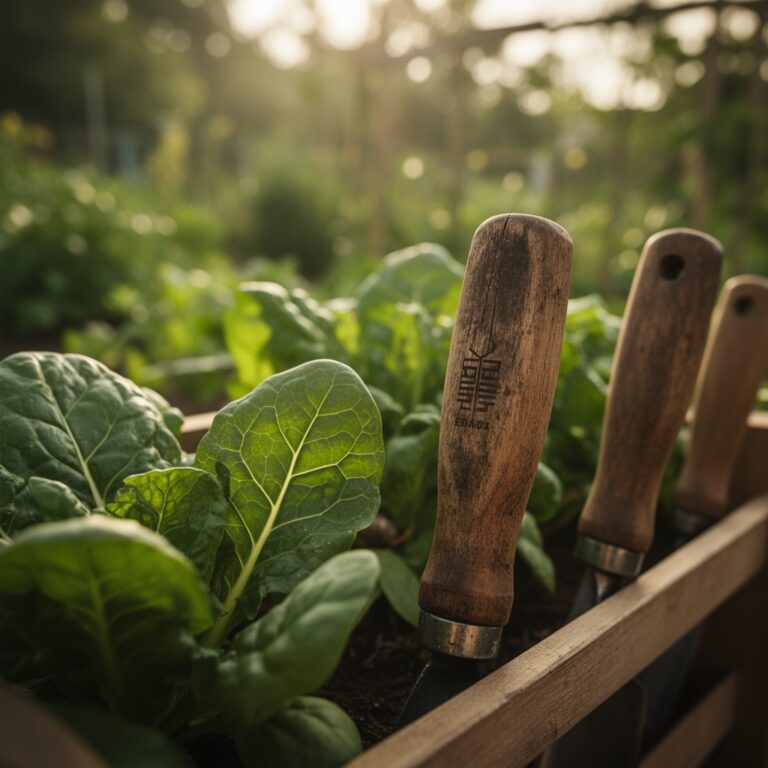
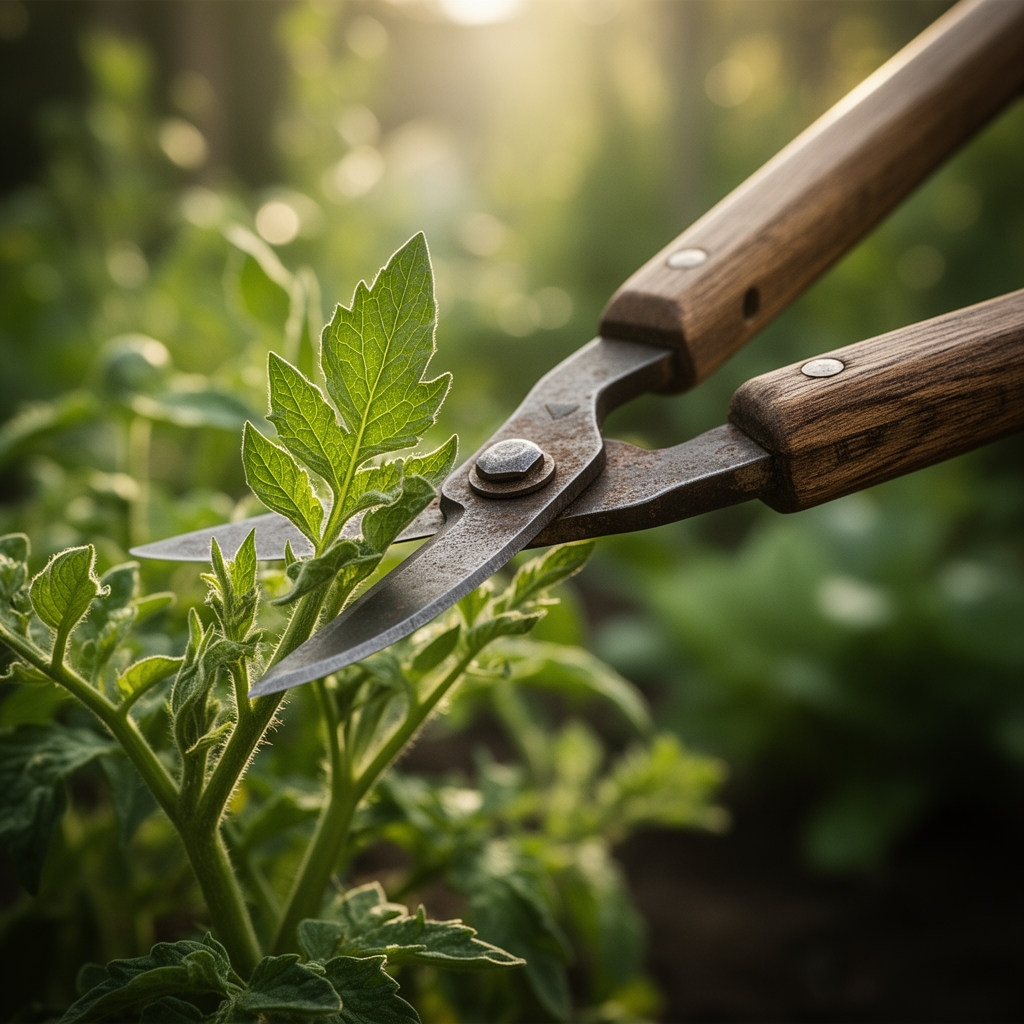
The first snap of a garden cutter through a cucumber stem releases a smell both green and faintly mineral, like rain on warm soil. Using a garden cutter for vegetable pruning transforms the harvest from a clumsy tearing motion into a surgical procedure that preserves vascular integrity and reduces pathogen entry points. Small crops such as beans, peppers, eggplants, and summer squash demand clean cuts at precise angles to encourage lateral budding and prevent die-back along the main stem.
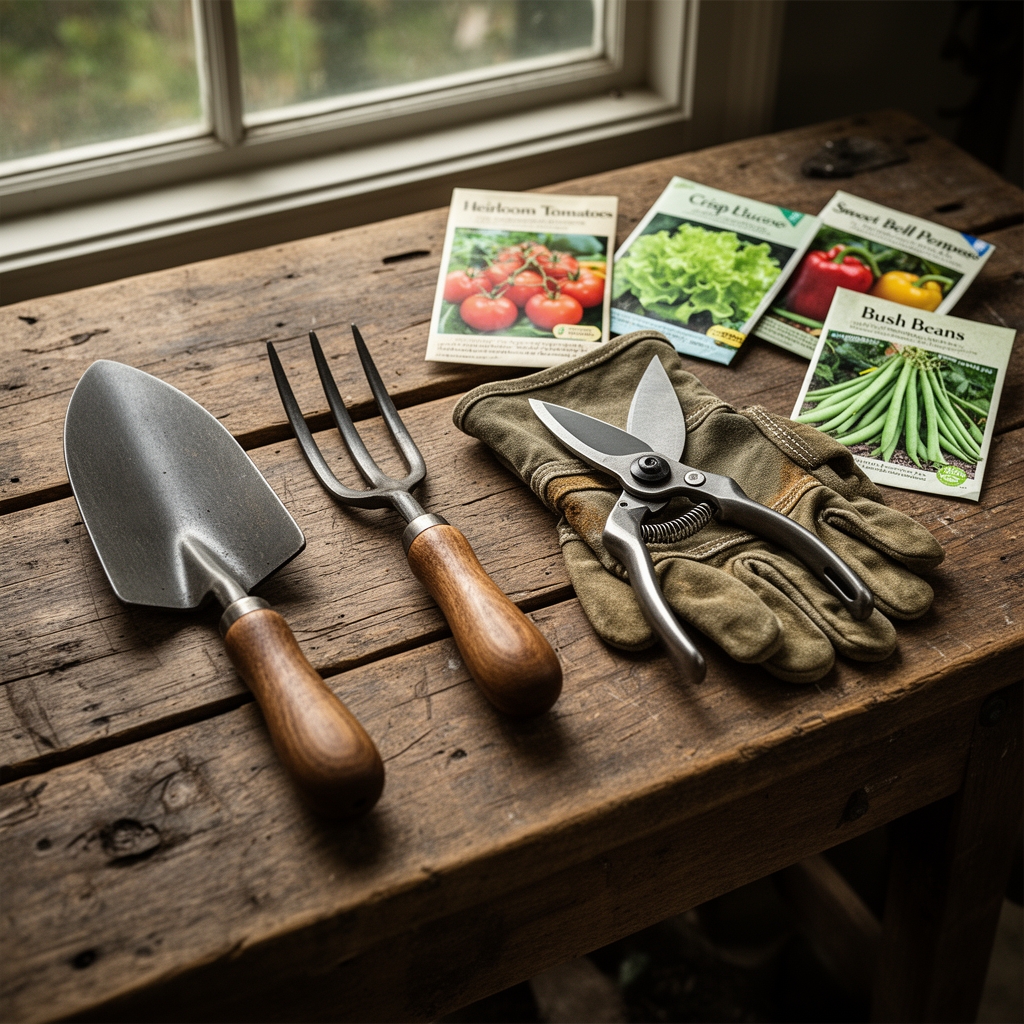
Materials
A bypass-style garden cutter with carbon steel blades provides the cleanest cuts for stems up to 0.5 inches in diameter. Stainless steel models resist rust but dull faster under heavy use. Sharpen blades to 20 degrees using a whetstone every three harvests.
Prepare a dipping solution of 10 percent bleach (sodium hypochlorite) or 70 percent isopropyl alcohol to sterilize blades between plants. This prevents transmission of bacterial wilt (Erwinia tracheiphila) and tobacco mosaic virus.
For soil preparation prior to planting, apply a balanced 4-4-4 organic meal derived from feather meal, bone meal, and kelp. This ratio supports both vegetative growth and fruit set without excess nitrogen that delays flowering. Adjust pH to 6.2–6.8 for optimal cation exchange capacity in loamy soils. Sandy soils benefit from the addition of 2 inches of aged compost to improve water retention and introduce mycorrhizal fungi.
A kneeling pad reduces lower back strain during prolonged harvest sessions. A collection basket with ventilation holes prevents ethylene buildup that accelerates ripening in detached fruits.
Timing
Harvest timing aligns with both physiological maturity and ambient temperature. In Hardiness Zones 5 through 7, wait until two weeks after the last spring frost to transplant warm-season crops. Morning harvest between 6:00 and 9:00 a.m. captures peak turgor pressure in cells, resulting in crisper texture and longer shelf life.
Monitor cumulative growing degree days (GDD) for each species. Bush beans reach harvest maturity at 1,200 GDD base 50°F. Eggplant requires 1,800 GDD base 60°F. Use a soil thermometer to confirm root-zone temperatures above species-specific thresholds before pruning to stimulate new growth.
Fall crops in Zones 6 and colder require harvest completion four weeks before the first expected frost. Auxin distribution slows below 50°F, reducing wound healing capacity and increasing susceptibility to fungal colonization at cut sites.
Phases
Sowing: Direct-seed crops like beans and peas at a depth equal to twice the seed diameter. Plant in blocks rather than single rows to improve pollinator efficiency and reduce wind damage. Cover seeds with a thin layer of vermiculite to maintain consistent moisture during germination.
Pro-Tip: Inoculate legume seeds with Rhizobium bacteria immediately before sowing to fix atmospheric nitrogen at 30 to 50 pounds per acre equivalent over the growing season.
Transplanting: Harden off greenhouse-started seedlings by reducing water by 25 percent over seven days. Transplant on overcast days or in late afternoon to minimize transpiration stress. Bury stems of tomato and pepper transplants up to the first true leaves to encourage adventitious root formation.
Pro-Tip: Apply a starter solution of 1 tablespoon of 5-10-5 water-soluble fertilizer per gallon at transplant to accelerate root establishment without promoting excessive foliage.
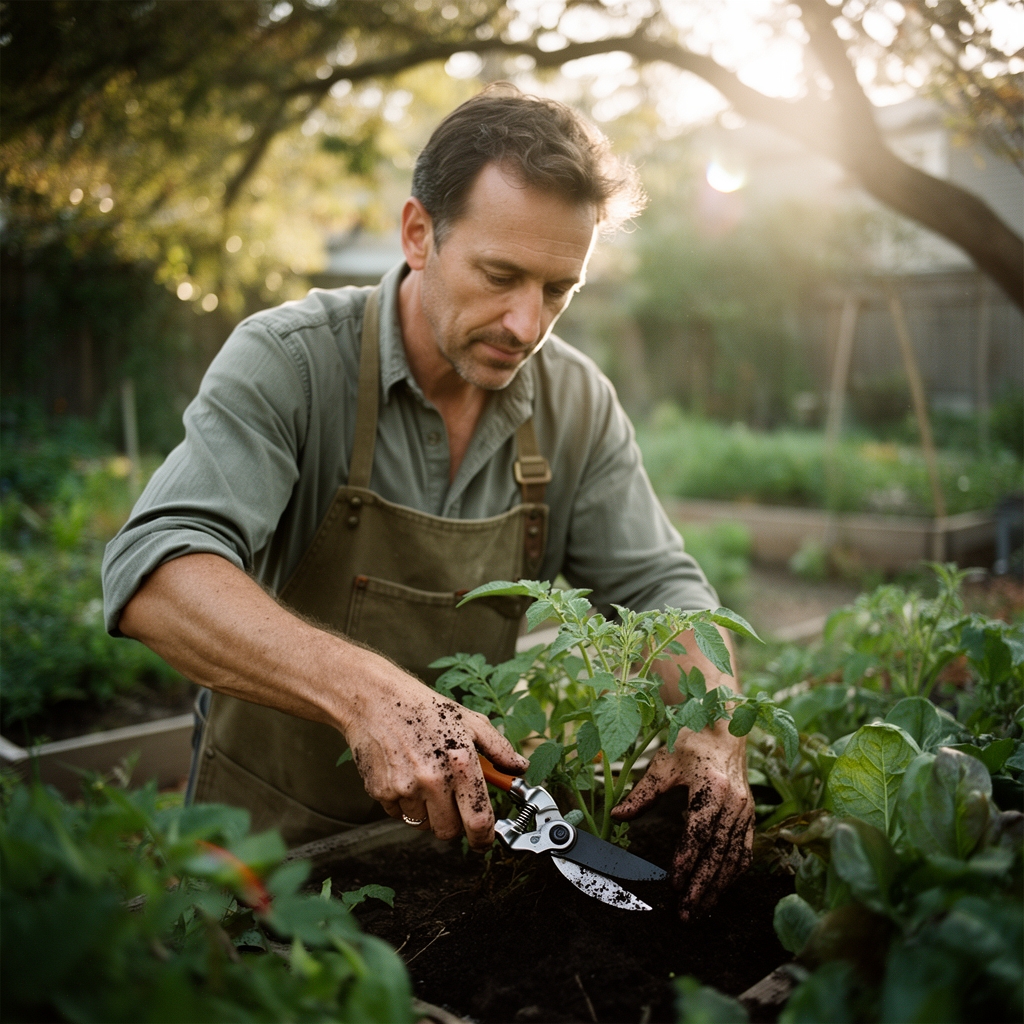
Establishing: Begin selective pruning when plants reach 12 inches in height. Remove suckers from determinate tomato varieties only below the first fruit cluster. For peppers, prune the first flower to redirect energy into root and canopy development. Make cuts at a 45-degree angle, 0.25 inches above a node, to shed water away from the wound.
Pro-Tip: Prune in the morning after dew has dried but before midday heat to optimize sap flow dynamics and minimize stress.
Troubleshooting
Symptom: Jagged, torn cut edges with browning tissue extending 0.5 inches below the cut.
Solution: Sharpen blades immediately. Dull cutters crush vascular bundles and invite Botrytis cinerea colonization.
Symptom: Wilting of remaining plant sections within 24 hours of pruning.
Solution: Sterilize blades between plants. This indicates bacterial wilt spread through contaminated tools. Remove and destroy infected plants.
Symptom: Excessive sap bleeding from cut sites.
Solution: Prune later in the day when transpiration rates decline. High sap flow indicates overly turgid tissue. Reduce irrigation 48 hours before major pruning.
Symptom: Stunted regrowth after pruning with yellowing leaves.
Solution: Apply foliar spray of 1 tablespoon kelp extract per gallon to restore cytokinin balance. Avoid pruning more than 30 percent of foliage in a single session.
Symptom: Black spotting at cut sites.
Solution: Improve air circulation to below 80 percent relative humidity. Apply sulfur-based fungicide at label rates if anthracnose (Colletotrichum spp.) persists.
Maintenance
Water pruned plants with 1 inch per week delivered through drip irrigation at the soil surface. Overhead watering wets cut surfaces and promotes fungal spore germination.
Mulch with 3 inches of straw or shredded leaves to suppress weeds and moderate soil temperature fluctuations. Keep mulch 2 inches away from plant stems to prevent collar rot.
Side-dress with 1 tablespoon of 10-10-10 granular fertilizer per plant at mid-season for indeterminate varieties. Apply 6 inches from the stem base to avoid root burn.
Inspect pruned areas every three days for signs of infection or pest activity. Remove damaged tissue immediately with sterilized tools.
FAQ
When should I prune vegetable plants?
Prune after morning dew dries and before temperatures exceed 80°F. Avoid pruning during drought stress or within 48 hours of heavy rain.
Can I prune flowering plants?
Yes, but only remove non-productive shoots. Preserve all flowering stems to maximize pollination opportunities and fruit set.
How often should I sterilize my garden cutter?
Sterilize between every plant during disease-prone periods. At minimum, sterilize after each row or variety change.
What angle produces the best cuts?
A 45-degree angle sheds water and exposes less surface area than perpendicular cuts, reducing infection risk by approximately 40 percent.
Do I need to seal pruning wounds?
No. Vegetable plants compartmentalize wounds naturally. Sealants trap moisture and create anaerobic conditions favorable to pathogens.