7 Humidity Steps to Prepare a specialized Begonia Soil
The scent of damp forest floor and the high turgor pressure of a thick, waxy leaf define the success of a master grower. Begonias are not casual houseplants; they are demanding specimens that require a precise subterranean environment to thrive. Understanding how to prepare a specialized begonia soil mix is the difference between a plant that merely survives and one that dominates its space with structural integrity. These plants possess a fibrous or rhizomatous root system that is highly sensitive to anaerobic conditions. If the substrate lacks sufficient macropores, the rhizosphere will collapse, leading to rapid root rot. You must engineer a medium that balances rapid drainage with high cation exchange capacity. This guide provides the technical framework to build a substrate that mimics the tropical understory, ensuring your begonias maintain maximum cellular hydration and nutrient uptake throughout their lifecycle.
Materials:
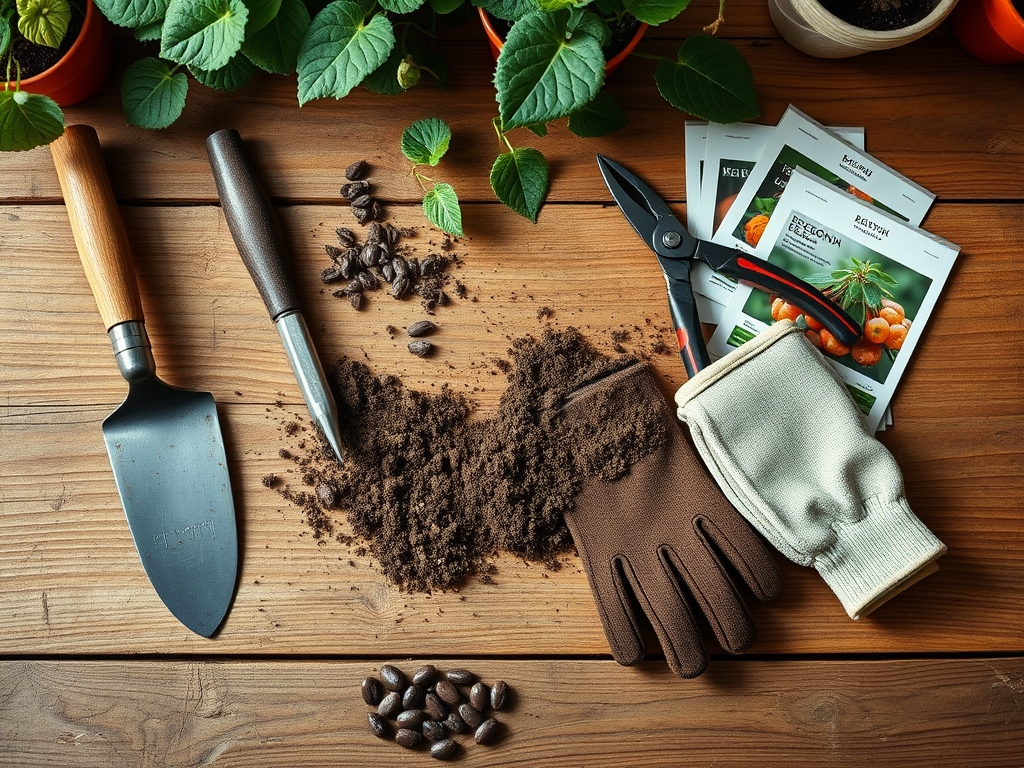
The ideal substrate for begonias is a **friable loam** with a targeted **pH between 5.5 and 6.5**. Standard potting soils are often too dense or too alkaline for the delicate root hairs of the Begoniaceae family. To achieve the correct chemical and physical profile, gather the following components:
- Long-fiber Sphagnum Peat Moss or Coconut Coir: These provide the base structure and high water-holding capacity.
- Perlite or Pumice: Essential for creating macropores that facilitate gas exchange. Aim for a 1:3 ratio of drainage material to organic matter.
- Horticultural Charcoal: This acts as a buffer, absorbing impurities and preventing the "sour" smell associated with stagnant moisture.
- Worm Castings: A biological amendment with a mild NPK ratio of 1-0-0. This introduces beneficial microbes without risking nitrogen burn.
- Pulverized Dolomitic Lime: Used in small quantities (1 tablespoon per gallon of mix) to stabilize pH if using acidic peat.
The final texture should be light and airy. When squeezed in the palm, the moist mix should hold its shape for a second before crumbling apart easily. This indicates a high level of porosity.
Timing:
Begonias are primarily tropical and subtropical perennials, generally suited for Hardiness Zones 10 through 11 if grown outdoors. For those in cooler climates, the "Biological Clock" is governed by the photoperiod and ambient temperature. You should initiate your soil preparation and repotting during the early spring, typically 2 to 3 weeks before the last frost date.
As the plant transitions from its dormant winter state into the vegetative stage, its metabolic demand for nitrogen increases. Repotting during this window allows the roots to colonize the new substrate before the high-energy reproductive stage begins in mid-summer. Monitor the soil temperature; begonias prefer a root zone temperature between 65 and 75 degrees Fahrenheit. If the soil remains below 55 degrees, metabolic processes slow down, and the risk of fungal pathogens in the rhizosphere increases significantly.
Phases:
Sowing and Propagation
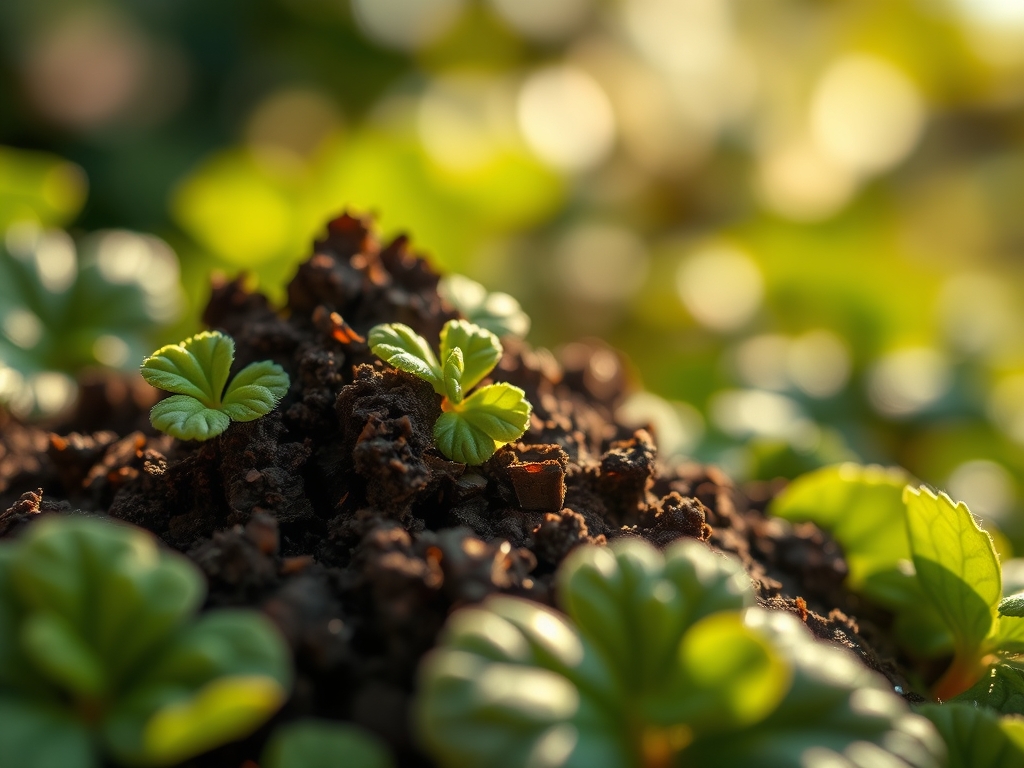
When starting from seed or leaf cuttings, use a sterile, soilless medium consisting of 50% vermiculite and 50% peat. Begonia seeds are dust-like and require light for germination. Do not bury them. Maintain a constant humidity level of 70% to 80% using a humidity dome.
Pro-Tip: High humidity prevents the desiccation of the delicate apical meristem. This is critical because begonias rely on auxin suppression to maintain bushy, lateral growth rather than becoming leggy and phototropic.
Transplanting
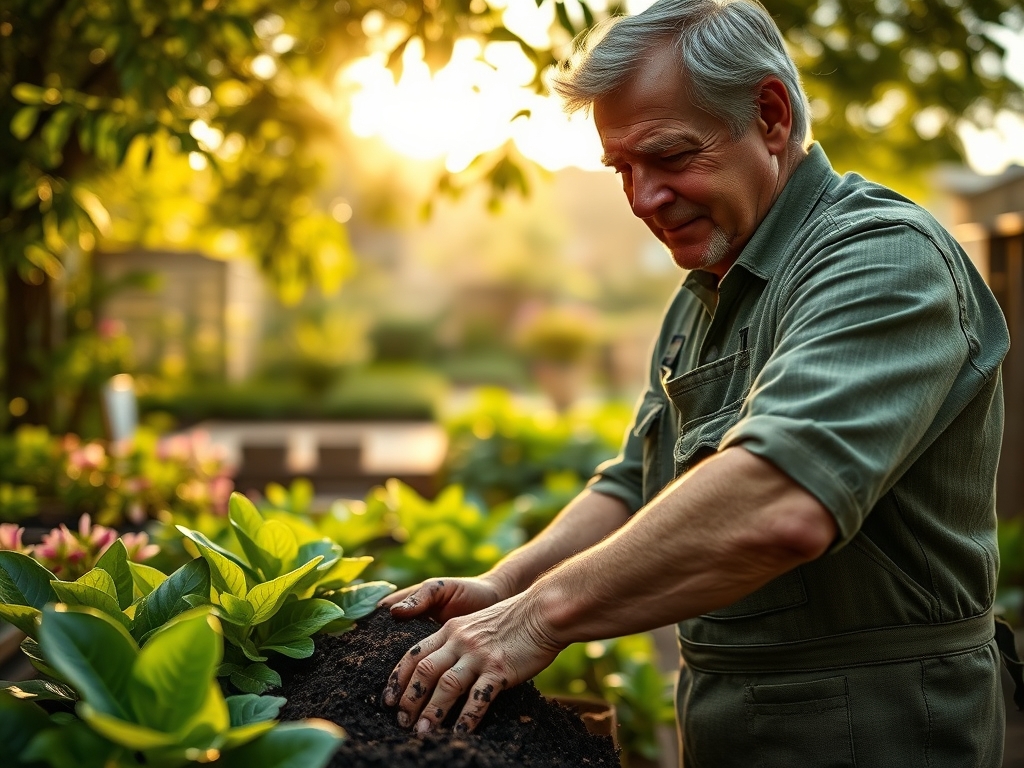
Move seedlings or established plants when they have developed at least two sets of true leaves. Use your hori-hori knife to gently loosen the root ball. Place the plant in the specialized mix, ensuring the crown sits exactly at the soil line. Burying the crown leads to stem rot, while exposing too much of the root system causes rapid moisture loss.
Pro-Tip: Introduce a mycorrhizal inoculant during transplanting. This creates a mycorrhizal symbiosis where fungi extend the root system's reach, increasing the uptake of phosphorus and micronutrients by up to 30%.
Establishing
During the first 14 to 21 days post-transplant, keep the plant in indirect light. The goal is to minimize transpiration while the roots establish themselves in the new substrate. Avoid heavy fertilization during this phase to prevent osmotic shock to the new root hairs.
Pro-Tip: Monitor turgor pressure in the leaves. If the leaves droop despite moist soil, the humidity is too low, causing the plant to lose water through its stomata faster than the roots can replace it.
The Clinic:
Physiological disorders in begonias often manifest as visual cues in the foliage. Use this diagnostic guide to identify and correct issues:
- Symptom: Nitrogen Chlorosis. Older leaves turn pale yellow while veins remain slightly darker.
- Fix-It: Apply a balanced liquid fertilizer with an NPK of 10-10-10 at half strength to restore chlorophyll production.
- Symptom: Edema. Small, corky bumps appear on the underside of leaves.
- Solution: This is caused by the plant taking up more water than it can transpire. Increase airflow and reduce watering frequency.
- Symptom: Leaf Tip Burn. Brown, crispy edges on new and old growth.
- Fix-It: This often indicates a buildup of soluble salts or fluoride in the soil. Flush the substrate with distilled or deionized water until the runoff is clear.
- Symptom: Magnesium Deficiency. Interveinal chlorosis on older leaves, often appearing as a marbled pattern.
- Solution: Incorporate Epsom salts (magnesium sulfate) at a rate of 1 teaspoon per gallon of water during the next irrigation cycle.
Maintenance:
Precision is the hallmark of begonia care. Use a soil moisture meter to ensure the substrate is dry to a depth of 1 inch before re-watering. Generally, begonias require approximately 1.5 inches of water per week delivered at the drip line to avoid wetting the foliage, which can invite powdery mildew.
Pruning is essential for maintaining airflow and plant vigor. Use bypass pruners sterilized with 70% isopropyl alcohol to remove senescent leaves or spent blooms. Make cuts at a 45-degree angle just above a node to encourage new axillary bud development. Check the soil every six months for compaction. If the Cation Exchange Capacity (CEC) drops, top-dress with a fresh layer of worm castings to replenish organic matter and microbial life.
The Yield:
While most begonias are grown for foliage, flowering varieties like the tuberous begonia offer a spectacular visual harvest. If you are harvesting blooms for display, do so in the early morning when turgor pressure is at its peak. Use a sharp blade to cut the stem at a clean angle.
To ensure "day-one" freshness, immediately submerge the cut end in 100-degree Fahrenheit water for one minute to break any air embolisms in the xylem. Then, transfer the stems to cool water with a pH of 3.5 to 4.5 to maximize water uptake and longevity.
FAQ:
What is the best NPK ratio for begonias?
A balanced 10-10-10 or 20-20-20 water-soluble fertilizer is ideal. Dilute to half strength and apply every two weeks during the growing season. This supports both foliar expansion and root development without causing salt accumulation in the substrate.
How do I lower the pH of my begonia soil?
If your soil pH exceeds 7.0, incorporate elemental sulfur or use an acidic peat-based mix. For immediate adjustments, use a diluted solution of aluminum sulfate. Monitor frequently with a calibrated pH probe to ensure it stays within the 5.5 to 6.5 range.
Why are my begonia leaves falling off?
Sudden leaf drop is typically a response to environmental shock or temperature fluctuations. Ensure the plant is not in a draft and that the root zone remains between 65 and 75 degrees. Overwatering leading to root senescence is another primary cause.
Can I use garden soil for my begonia mix?
No. Standard garden soil is too heavy and contains pathogens. It lacks the macropores necessary for begonia root respiration. Always use a sterilized, specialized mix containing peat, perlite, and organic amendments to ensure proper drainage and aeration.