6 Convenience Steps to Prepare a Kitchen Herb Rack
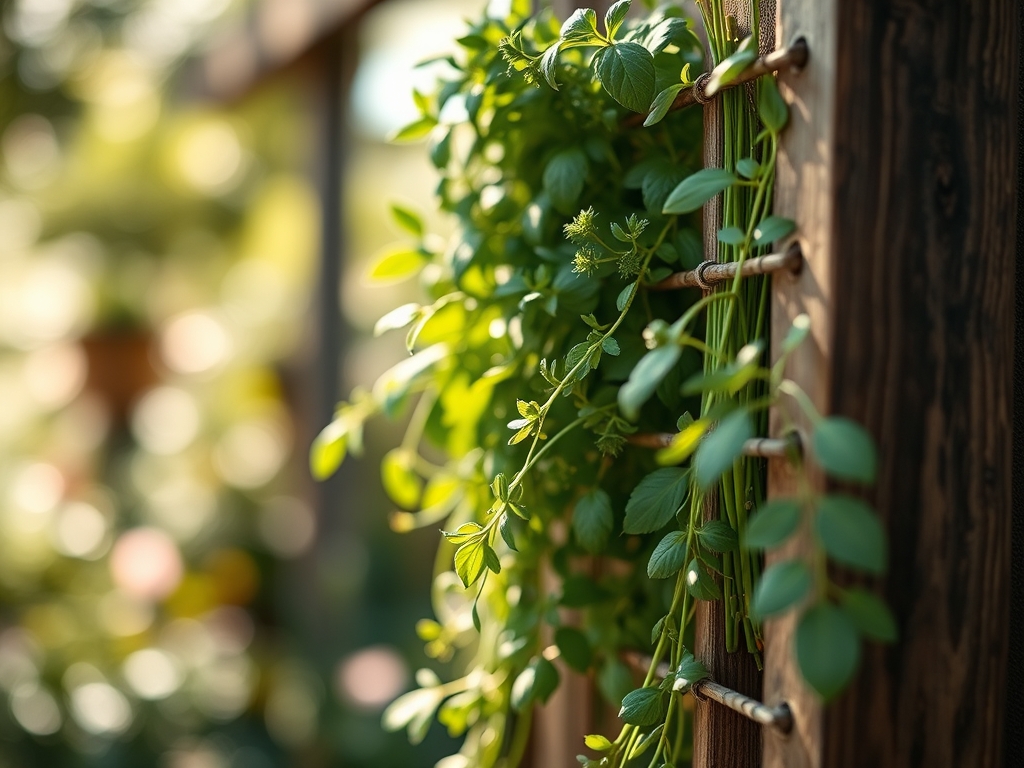
The scent of crushed basil leaves rising from a kitchen windowsill signals more than culinary convenience. It marks a transition toward spatial efficiency and year-round access to fresh aromatics. Learning how to prepare a vertical herb rack transforms unused wall space into a productive microclimate where Mediterranean perennials and tender annuals thrive under controlled conditions. Vertical systems maximize photosynthetic surface area per square foot while improving air circulation around foliage, reducing fungal pressure in humid indoor environments.
Materials
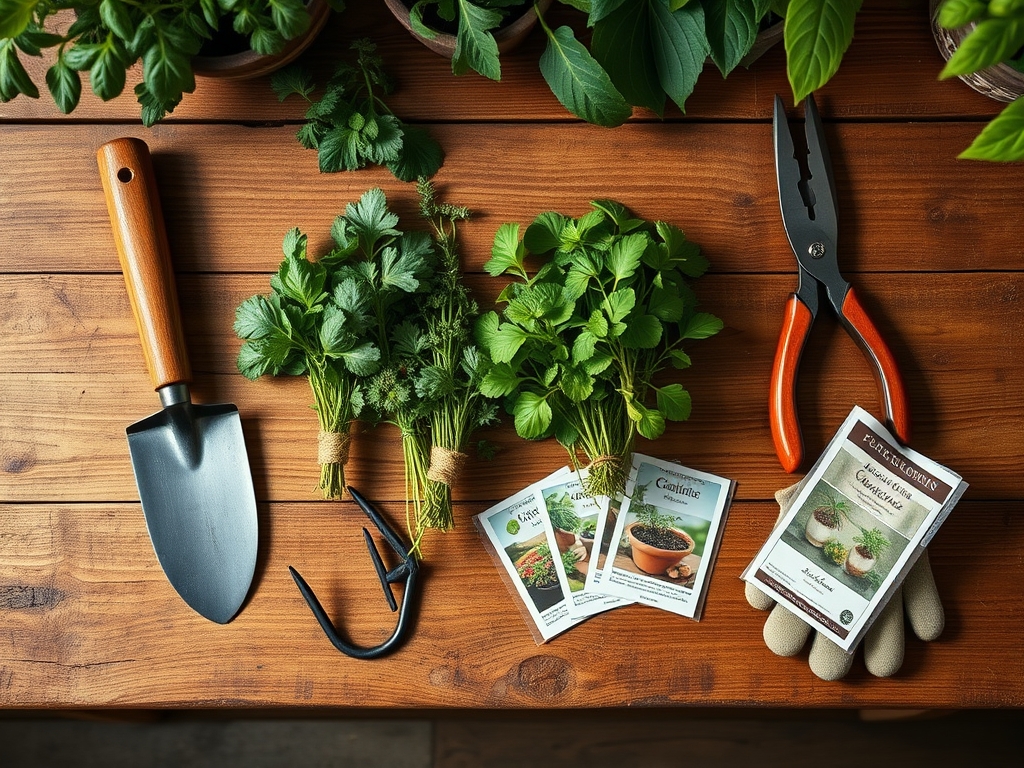
Select a mounting system rated for 40 pounds per linear foot to accommodate saturated growing media. Galvanized steel brackets resist corrosion in high-humidity zones. Choose containers with drainage holes measuring 0.25 inches in diameter, spaced every 3 inches along the base.
Growing media should contain 40% perlite or pumice to maintain air-filled porosity above 15%. Blend equal parts coir, aged compost (pH 6.2-6.8), and horticultural sand. Incorporate slow-release fertilizer at 4-4-4 NPK ratio, applying 2 tablespoons per gallon of media. Basil and parsley respond well to higher nitrogen (7-3-3) during vegetative phases, while rosemary and thyme require phosphorus emphasis (3-6-4) to promote secondary root development.
Mycorrhizal inoculant powder (Rhizophagus irregularis strain) at 0.5 grams per 6-inch pot enhances phosphorus uptake in low-mobility substrates. Dolomitic lime adjusts cation exchange capacity, buffering pH fluctuations when using coir-based mixes.
Timing
Hardiness Zones 3-7 require indoor vertical racks from October through April, when outdoor perennials enter dormancy. Zones 8-11 benefit from year-round indoor supplementation during summer heat stress, when outdoor herbs bolt prematurely.
Initiate setup 8 weeks before the average last spring frost date. This window allows root systems to colonize containers before outdoor transplant opportunities arise. Sow basil, cilantro, and dill indoors 6 weeks before the last frost. Transplant woody perennials like rosemary, oregano, and thyme 10 weeks prior, as their lignified stems require extended establishment periods.
Photoperiod sensitivity affects flowering. Basil requires less than 14 hours of light to delay bolting. Install timers to maintain 12-hour light cycles, using full-spectrum LEDs at 400-600 micromoles per square meter per second.
Phases

Sowing Phase (Weeks 1-3)
Fill cells or 2-inch pots with sterile seed-starting mix. Sow basil, parsley, and cilantro 0.25 inches deep. Maintain substrate temperature at 70-75°F using bottom heat mats. Germination occurs within 7-14 days depending on species. Provide 14-16 hours of light daily at 200 micromoles intensity during cotyledon emergence.
Pro-Tip: Apply dilute chamomile tea (1:10 ratio) as a soil drench to suppress damping-off pathogens (Pythium and Rhizoctonia species). The natural fungicidal compounds in Matricaria recutita reduce pre-emergent losses by 30-40%.
Transplanting Phase (Weeks 4-6)
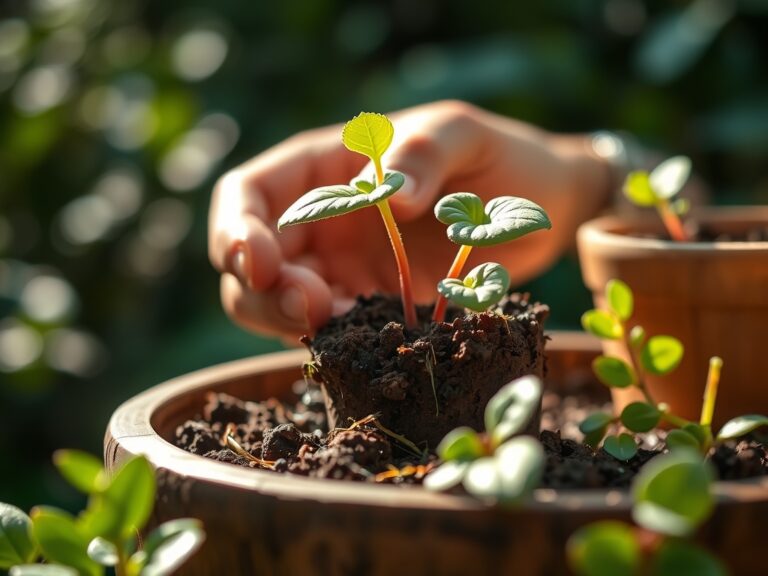
Transfer seedlings when true leaves reach 1 inch in length. Handle only by cotyledons to avoid crushing the apical meristem. Position root plugs 0.5 inches below the final soil line to encourage adventitious root formation along buried stem tissue.
Space containers 6 inches apart on vertical racks to allow lateral branch expansion. Orient racks to receive southern exposure in Northern Hemisphere locations, ensuring 6 hours of direct light minimum.
Pro-Tip: Prune terminal buds at a 45-degree angle once plants reach 6 inches in height. This practice redirects auxin distribution to axillary buds, promoting bushier architecture and delaying reproductive phase transition.
Establishing Phase (Weeks 7-12)
Monitor new shoot elongation as an indicator of root establishment. Growth rates should reach 0.5 inches per week for basil and 0.25 inches for woody herbs. Apply liquid fertilizer at 1-1-1 NPK ratio, diluted to 150 ppm nitrogen, every 10 days.
Pinch flower buds immediately upon formation to extend vegetative production. Allowing seed set triggers senescence pathways, reducing leaf quality and essential oil concentration.
Pro-Tip: Inoculate containers with beneficial nematodes (Steinernema feltiae) at 50,000 individuals per pot to control fungus gnat larvae in organic media. Apply during evening hours when substrate temperature drops below 75°F.
Troubleshooting
Symptom: Interveinal chlorosis on new growth, older leaves remain green.
Solution: Iron deficiency induced by high substrate pH. Apply chelated iron (Fe-EDDHA) at 2 grams per gallon as a drench. Adjust pH to 6.0-6.5 using sulfur amendments.
Symptom: Brown leaf margins, tip necrosis progressing basipetally.
Solution: Potassium deficiency or salt accumulation. Flush containers with 2 gallons of water per gallon of media volume. Resume fertilization at half-strength, emphasizing 0-0-10 potassium sources.
Symptom: White powdery coating on upper leaf surfaces.
Solution: Powdery mildew (Erysiphe cichoracearum). Increase air circulation to maintain relative humidity below 60%. Apply potassium bicarbonate solution (1 tablespoon per quart water) weekly as foliar spray.
Symptom: Sudden wilting despite moist substrate, dark stem lesions at soil line.
Solution: Phytophthora root rot. Remove affected plants immediately. Drench remaining containers with phosphorous acid fungicide at labeled rates. Improve drainage by elevating containers 1 inch above rack surface.
Symptom: Stunted growth, yellowing from base upward, small white insects on undersides.
Solution: Whitefly infestation (Trialeurodes vaporariorum). Deploy yellow sticky traps at 1 per 10 square feet. Apply insecticidal soap (potassium salts of fatty acids) at 5-day intervals for 3 applications.
Maintenance
Apply 1 inch of water per week, measured by container weight or moisture meter readings at 4-inch depth. Allow the top 2 inches of substrate to dry between irrigations to promote oxygen diffusion to root zones.
Harvest leaf tissue before 10 a.m. when essential oil concentrations peak. Remove no more than one-third of foliar mass per harvest event to maintain photosynthetic capacity. Prune woody herbs to 4 inches above the soil line every 8 weeks to stimulate juvenile growth flushes.
Rotate containers 180 degrees weekly to prevent phototropic bending and ensure uniform canopy development. Clean foliage monthly with a damp cloth to remove dust accumulation that blocks stomatal function.
FAQ
How often should I fertilize a vertical herb rack?
Apply liquid fertilizer every 14 days at quarter-strength (50 ppm nitrogen) during winter months. Increase to weekly applications at half-strength during active growth phases in spring and summer.
Can I grow basil and rosemary together?
These species require different moisture regimes. Basil demands consistent moisture, while rosemary tolerates drought. Separate containers by water needs or use divided rack sections with independent irrigation access.
What light intensity do indoor herbs need?
Leafy herbs require 400-600 micromoles per square meter per second. Woody Mediterranean species tolerate 250-400 micromoles. Position racks 12-18 inches below LED fixtures to achieve these values.
Why do my herbs grow leggy indoors?
Insufficient light intensity causes etiolation. Increase photon flux density or reduce the distance between plants and light sources. Maintain day length at 12-14 hours to balance vegetative growth with compactness.
How long do herbs last in a vertical rack system?
Annual herbs (basil, cilantro, dill) complete life cycles in 8-12 weeks. Perennial woody herbs (rosemary, thyme, oregano) produce for 2-3 years before requiring propagation from cuttings to maintain vigor.