6 Aesthetic Steps to Prepare a Cottage Style Garden
The scent of rain-soaked loam mixed with thyme leaves announces the arrival of early spring, when soil temperatures reach 50°F and compaction can finally be remedied. Learning how to prepare a garden for a cottage style vegetable garden means orchestrating informal abundance within a rigorous framework of soil biology and plant spacing. Cottage gardens layer edibles among perennials, creating ecosystems where Runner beans climb over Rosa rugosa, and fennel self-sows between delphiniums. This approach demands thorough preparation to support the overlapping root zones and nutrient competition that define the style.
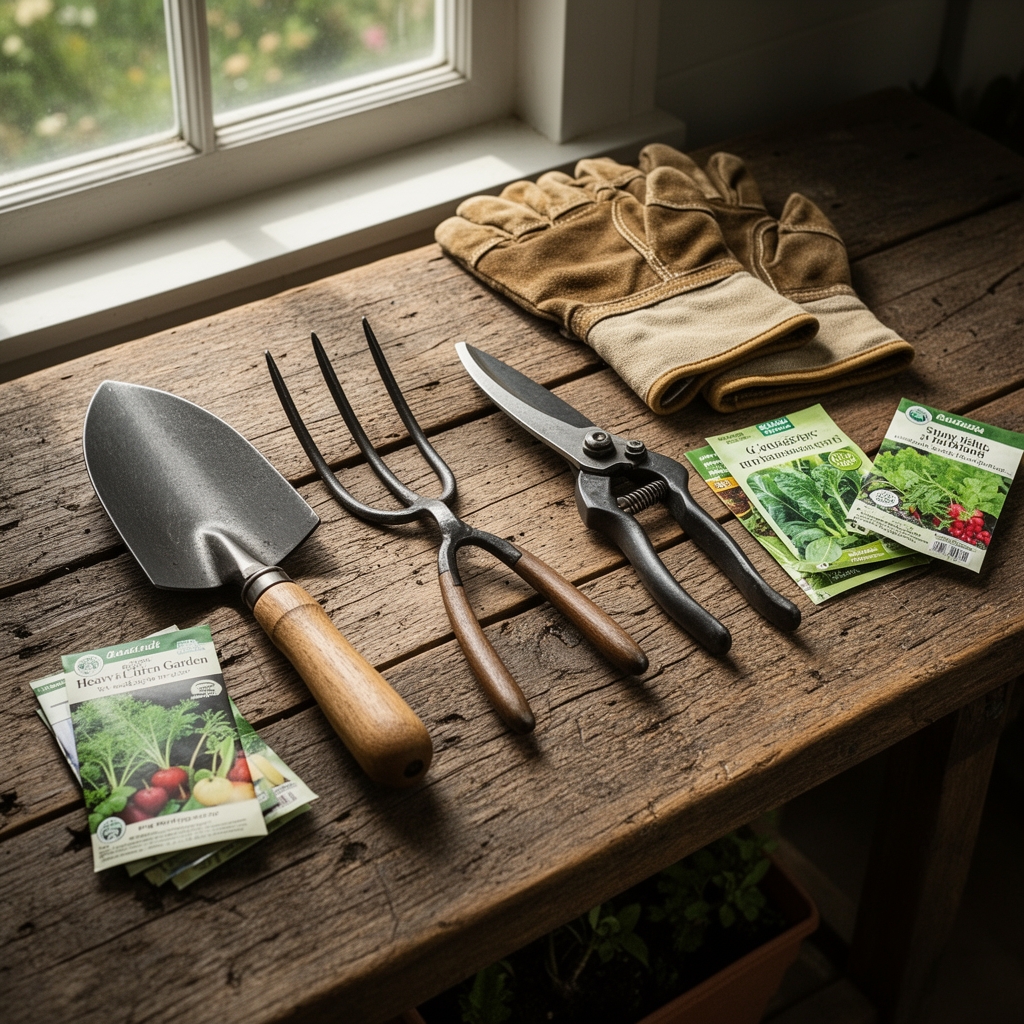
Materials
Begin with a soil test targeting pH, cation exchange capacity, and baseline NPK values. Cottage vegetable beds thrive at pH 6.2 to 6.8, where calcium and magnesium remain plant-available without locking up phosphorus. Acidic soils below 6.0 require pelleted lime at 50 pounds per 1,000 square feet, applied four months before planting to allow equilibration.
For nitrogen-hungry leafy crops and brassicas, incorporate a 4-4-4 organic meal blend at 2 pounds per 100 square feet. Alfalfa meal contributes triacontanol, a growth stimulant that accelerates cell division in transplants. Bone meal (3-15-0) supplies slow-release phosphorus critical for root establishment in carrots, parsnips, and alliums. Rock phosphate offers multi-year availability but requires microbial activity, so pair it with compost inoculated with Rhizophagus irregularis and other mycorrhizal fungi.
Potassium sulfate (0-0-50) corrects deficiencies in sandy soils, improving osmotic regulation in tomatoes and cucurbits. Greensand (0-0-3) releases potassium over 3 to 5 years while improving cation exchange capacity in clay-dominant profiles. Compost remains the backbone: apply 3 inches of fully cured material (C:N ratio below 20:1) to build aggregate stability and introduce beneficial mesofauna.
Timing
Hardiness Zones 5 through 7 offer the widest cottage-garden windows. Begin soil preparation 6 to 8 weeks before the last average frost date, which falls between April 15 and May 15 across the central temperate belt. Early brassicas and alliums tolerate soil temperatures as low as 40°F, allowing March transplanting in Zone 7. Warm-season crops require 60°F soil minimums; in Zone 5, that threshold arrives by late May.
Perennial cottage anchors such as rhubarb, asparagus, and lovage should be planted in autumn, 4 to 6 weeks before the first hard freeze. This timing encourages root expansion without triggering premature shoot emergence. Biennial edibles like parsley and chard benefit from late-summer sowing, overwintering as rosettes before bolting the following June.
Phases
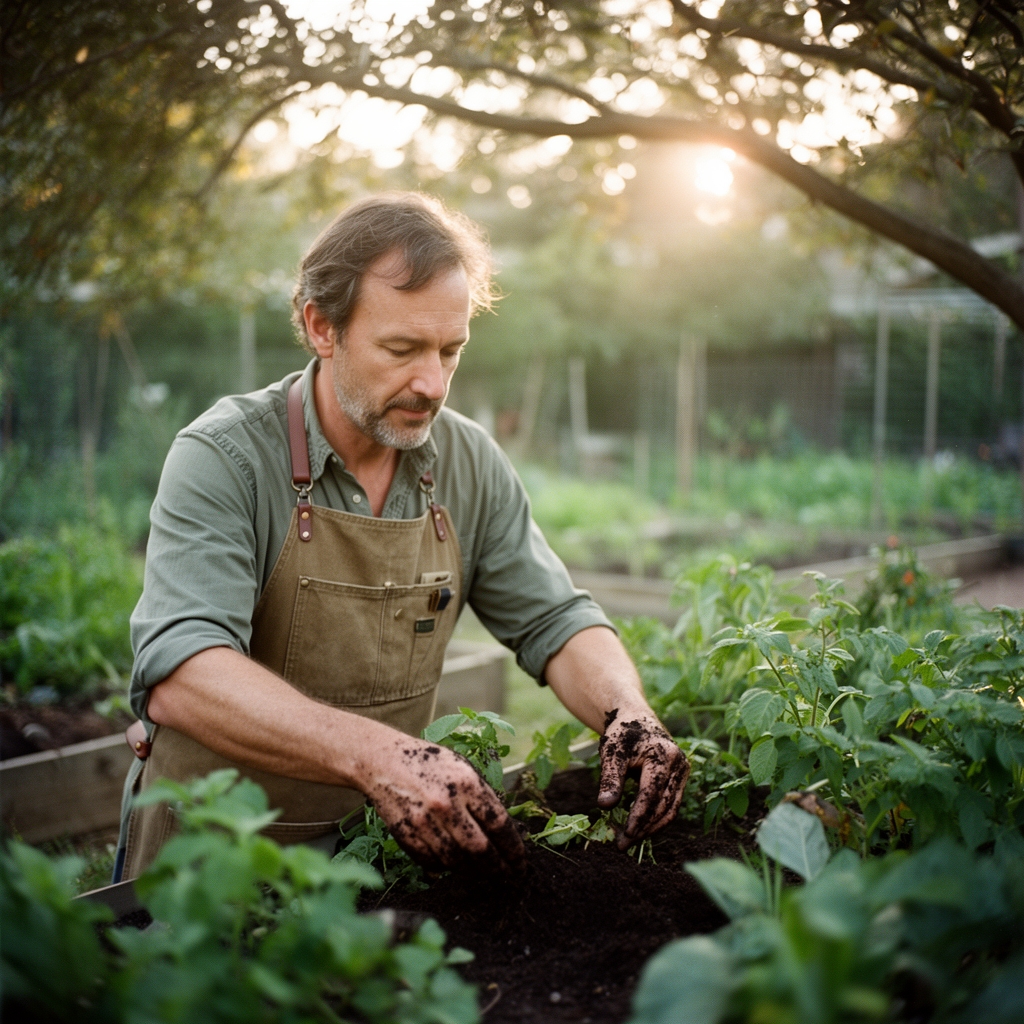
Sowing: Direct-seed carrots, beets, and radishes into friable beds with aggregate sizes between 1 and 5 mm. Rake to a depth of 0.25 inches for small seeds, 1 inch for legumes. Fluid drilling, where pre-germinated seeds are suspended in wallpaper paste and extruded from a plastic bag, accelerates emergence in cool soils. Inoculate pea and bean seed with Rhizobium leguminosarum to establish nitrogen-fixing nodules by the third trifoliate stage.
Pro-Tip: Coat carrot seed with dried chamomile flowers (ground to 40 mesh) to suppress damping-off fungi through the antimicrobial compound bisabolol.
Transplanting: Harden off seedlings over 7 days, reducing water by 30 percent and exposing trays to progressively longer UV periods. Transplant in late afternoon or under cloud cover to minimize transplant shock from rapid transpiration. Dig holes 1.5 times the root-ball diameter. Position tomato seedlings with the cotyledon node below the soil line to encourage adventitious rooting along the buried stem. Space determinate varieties 24 inches apart; indeterminate types require 36 inches to accommodate lateral shoot expansion.
Pro-Tip: Apply a kelp extract solution (diluted to 0.1 percent ascophyllum content) to root zones immediately after transplanting. Cytokinins in kelp stimulate fine root proliferation within 72 hours.
Establishing: Mulch with 2 inches of straw or shredded leaves after soil warms past 60°F. Mulch applied earlier delays warming and promotes slug aggregation. Install supports before plants reach 12 inches; retrofitting damages shallow feeder roots. Use 60-degree bamboo stakes for determinate tomatoes, allowing apical dominance to drive vertical growth. Indeterminate varieties and pole beans require vertical twine or 6-foot tripods.
Pro-Tip: Prune tomato suckers at a 45-degree angle when they reach 2 inches. This reduces wound surface area and accelerates callus formation, lowering infection risk from Pseudomonas syringae.
Troubleshooting
Symptom: Interveinal chlorosis in young squash leaves.
Solution: Manganese deficiency, common in high-pH soils. Foliar-spray manganese sulfate at 0.5 pounds per 100 gallons. Retest soil and lower pH with elemental sulfur.
Symptom: Blossom-end rot in tomatoes and peppers.
Solution: Calcium translocation failure due to erratic watering. Maintain consistent moisture at 1 inch per week. Side-dress with gypsum (calcium sulfate) at 2 pounds per plant.
Symptom: Flea beetle shot-holing on brassica leaves.
Solution: Apply kaolin clay at first true-leaf stage. Reapply after rain. Rotate with floating row covers until plants reach 6 inches.
Symptom: Powdery mildew on cucurbits.
Solution: Spray 0.5 percent potassium bicarbonate solution weekly. Ensure 18-inch spacing for airflow. Remove affected leaves at petiole junction.
Symptom: Leggy seedlings with elongated internodes.
Solution: Insufficient photosynthetically active radiation (PAR). Provide 200 to 400 micromoles per square meter per second for 14 hours daily using full-spectrum LEDs.
Maintenance
Water deeply to 6 inches once weekly rather than shallow daily irrigations that promote superficial rooting. Drip irrigation delivers 0.6 gallons per hour per emitter, targeting root zones while keeping foliage dry. Side-dress nitrogen-demanding crops with blood meal (12-0-0) at 0.5 pounds per 10 linear feet when plants reach half their mature height.
Scout for pests twice weekly at dawn, when caterpillars and slugs remain active. Hand-pick hornworms into soapy water. Pinch out aphid-infested shoot tips. Apply Bacillus thuringiensis subspecies kurstaki at 1 tablespoon per gallon for lepidopteran larvae.
FAQ
When is soil warm enough for tomatoes?
Soil must reach 60°F at 4-inch depth, measured with a soil thermometer at 10 a.m. for three consecutive days.
Can I plant legumes where brassicas grew last year?
Yes. Legumes fix atmospheric nitrogen, replenishing reserves depleted by heavy-feeding cabbage family crops.
How do I prevent self-sowing from becoming invasive?
Deadhead fennel, dill, and calendula before seed matures. Allow 10 percent of plants to set seed for controlled naturalization.
What spacing prevents disease in crowded cottage beds?
Maintain 12 inches between low-growing crops, 24 inches for upright vegetables. Airflow reduces foliar humidity below the 90 percent threshold favoring fungal germination.
Do mycorrhizal inoculants work in heavily fertilized soil?
High phosphorus levels (above 70 ppm Mehlich-3) suppress colonization. Apply inoculants before fertilizing, or reduce synthetic phosphorus inputs by 50 percent.